

How Does Weather Affect Fixed Wireless Internet (And What Do Providers Do About It)?
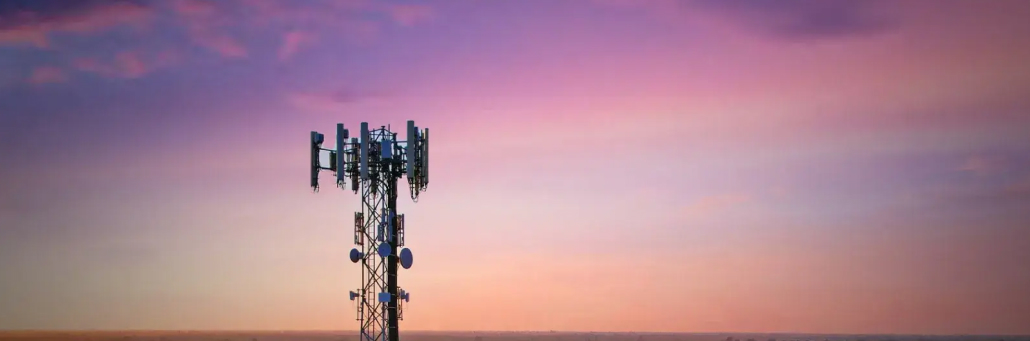
Fixed wireless internet is often more weather-resilient than people expect, but it is not completely weather-proof. The connection is radio-based, so severe weather can affect signal quality in specific ways; the good news is that providers can engineer around most of those risks with the right spectrum, antenna design, mounting, and monitoring.
For business owners in rural and suburban areas, the important question is not whether weather can affect fixed wireless, but how often it matters and what a provider does to minimize disruption.


Why weather matters
Fixed wireless uses a tower-to-receiver radio link, so anything that weakens that path can reduce performance. In most conditions, that link is stable, but heavy precipitation, movement, ice buildup, and equipment stress can all introduce signal loss or instability.
The key difference between a good provider and a mediocre one is engineering. A good provider plans for weather before the install, not after the outage.
Weather conditions and mitigation
| Weather condition | Signal impact | What providers do about it |
| Heavy rain | Can absorb or scatter the radio signal, causing rain fade and lower throughput | Use licensed spectrum, add signal margin, and design links with enough fade resistance |
| Wind | Can shift antennas or vibrate mounts, creating misalignment and intermittent loss | Use rigid mounts, proper bracing, and careful alignment during install |
| Ice and snow | Can block equipment, add weight, or change antenna performance | Use weather-rated hardware, safe mounting, and site inspections after storms |
| Temperature extremes | Heat or cold can affect electronics, cable performance, and outdoor equipment durability | Use outdoor-rated gear, sealed enclosures, and components designed for wider operating ranges |
| Fog and humidity | Usually minor, but can add slight attenuation or condensation-related issues | Use proper sealing, weatherproof radomes, and link budgets that account for normal atmospheric variation |
Rain fade
Rain fade happens when water droplets in the air weaken the radio signal between the tower and the receiver. In mild weather, the impact is usually small, but heavy rain can reduce signal strength enough to lower speeds or cause brief instability.
This is most noticeable on higher-frequency wireless links, which are more sensitive to atmospheric moisture. Providers reduce the risk by using licensed spectrum bands that are less vulnerable to rain fade and by building extra signal headroom into the installation.

Wind and antenna alignment
Wind does not weaken the signal itself, but it can move the antenna just enough to change alignment with the tower. That matters because fixed wireless depends on a clean directional path, and even small shifts can affect throughput or create dropouts.
Providers handle this by using secure mounts, sturdy poles, and precise alignment at install time. In windy areas, a well-installed antenna should stay locked in place so normal weather does not cause a service issue.
Ice and snow buildup
Ice and snow can create problems in two ways: they can physically block the antenna or change its performance characteristics. Wet snow is especially disruptive because it holds more moisture and can act more like rain, while ice adds weight and can stress mounts or enclosures.
Providers reduce the risk with sealed equipment, outdoor-rated materials, and installation practices that keep the antenna clear and secure. After major winter storms, some providers may also inspect the site to make sure mounts and connectors are still in good shape.

Temperature extremes
Extreme heat and cold usually affect the equipment more than the radio signal itself. High heat can strain electronics or cause overheating, while cold can affect cables, plastics, batteries, and enclosures if the equipment is not designed for outdoor exposure.
Good providers use hardware rated for the environment, protected outdoor enclosures, and cabling designed for long-term exterior use. That keeps the network stable even when the weather swings hard between seasons.
Fog and humidity
Fog and humidity usually cause less disruption than rain or wind, but they can still influence performance. Dense moisture in the air can slightly increase attenuation, and condensation can affect antenna surfaces or connectors if the hardware is not properly sealed.
Most modern fixed wireless systems are built with enough margin to handle normal humidity changes without noticeable performance loss. In other words, fog is usually more of a planning consideration than a day-to-day problem.
Why Fireline?
Fireline’s approach is to engineer around weather instead of pretending it does not exist. That starts with site evaluation, careful antenna placement, and selecting the right spectrum and equipment for the location so the link has enough stability to handle normal weather variation.
Fireline’s fixed wireless service is also positioned as a fast, practical business connection, which means the deployment has to be reliable enough to work in real-world conditions, not just on a perfect day. For rural and suburban customers, that means Fireline has to account for line of sight, mounting quality, and environmental exposure before the service is turned up.
The broader industry evidence supports this model: licensed spectrum, weather-aware engineering, and robust outdoor hardware are what keep fixed wireless usable through storms, humidity, and seasonal change. That is the difference between a wireless link that feels fragile and one that feels like a dependable business internet option.
Our voice solutions partner Fireline Communications is perfect to help you with all your business voice needs when it comes to providing a reliable voice connection and advanced AI features.

We Can Help
Before choosing fixed wireless, business owners should ask whether the provider does a proper site survey, how they handle winter weather, and whether the antenna mounting is designed for wind and heavy rain. They should also ask what spectrum is being used, because that can influence how well the link holds up in bad weather.
If the provider can explain its weather mitigation plan clearly, that is usually a good sign. If it cannot, the connection may be more fragile than the sales pitch suggests.
Contact us today to discuss your business internet needs.
Call our business team: 877-347-3147
Learn more about our Dedicated Business Internet Solutions
FAQ
Does rain really slow down fixed wireless internet?
Yes. Heavy rain can scatter or absorb the radio signal between the tower and your receiver, an effect called rain fade. Fireline reduces this by using licensed spectrum bands less prone to rain fade and by building in extra signal margin during installation.
Is fixed wireless worse than cable in storms?
Not necessarily. Fixed wireless can be very stable in bad weather when it is properly engineered, while cable can still be affected by local infrastructure damage, power issues, or physical line faults. The real difference is how the network is built and maintained.
Can wind knock fixed wireless offline?
Strong wind can cause trouble if it moves or vibrates the antenna enough to break alignment with the tower. Providers mitigate this with solid mounts, accurate installation, and weather-rated hardware.
What happens when snow or ice builds up on the antenna?
Snow and ice can block the signal path or add weight that stresses the mounting system. Good providers use outdoor-rated equipment and secure installations to reduce the chance of weather-related issues.
Does fog affect fixed wireless?
Fog usually has a smaller impact than rain, but heavy moisture in the air can still add a little attenuation. In most cases, a well-designed fixed wireless link should handle fog without a noticeable issue.
What do providers do about weather-related outages?
Providers use weather-aware engineering, strong antenna mounts, sealed equipment, and signal headroom to keep the connection stable. Some also inspect sites after major storms to make sure alignment and hardware are still correct.
How does Fireline keep fixed wireless dependable in bad weather?
Fireline focuses on planning, alignment, and engineering the link for real-world conditions rather than ideal ones. That includes choosing the right spectrum, building in margin, and using hardware and mounting practices that hold up through normal weather variation.