

IIoT vs Consumer IoT: Key Differences and Internet Connectivity
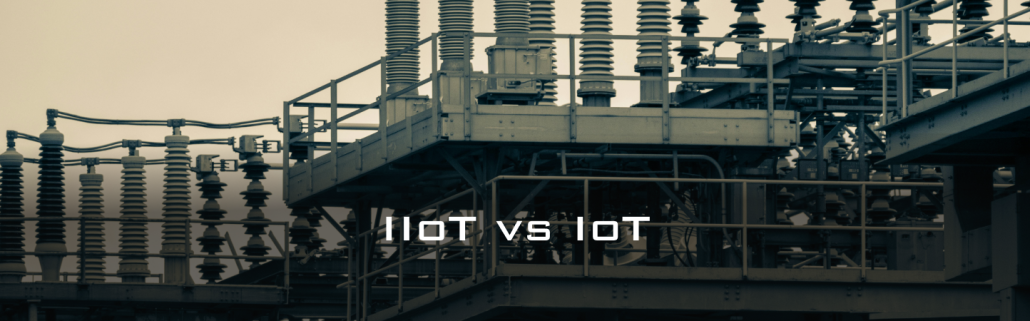
The Internet of Things (IoT) connects everyday devices to the internet, but it splits into two main categories: Consumer IoT for personal use and Industrial IoT (IIoT) for manufacturing and heavy operations. Understanding their differences helps businesses choose the right tech.


How Fireline Broadband Powers IIoT
Fireline Broadband delivers the enterprise-grade internet infrastructure essential for successful IIoT deployments. Consumer Wi-Fi cannot handle industrial demands—Fireline provides the foundation.
Fireline IIoT Solutions:
- ? Multi-Gigabit Fiber: 1-100Gbps symmetrical for massive sensor streams
- ? Fixed Wireless Backup: 48hr failover keeps IIoT online during outages
- ? Automatic Failover: Sub-10sec cutover prevents production stops
- ?️ Static IPs + DDoS Protection: Secure device whitelisting
- ? 24/7 NOC Monitoring: Proactive issue detection for 99.99% uptime
- ? VPN Ready: Secure edge-to-cloud tunnels for IIoT data
Real Results:
- Reduced latency: From 50ms to 5ms for machine control loops
- Zero downtime: Automatic failover during primary ISP failures
- Scalable capacity: Grows with IIoT expansion (10K→50K devices)
Fireline eliminates the network bottleneck, letting manufacturers focus on production while IIoT handles optimization.
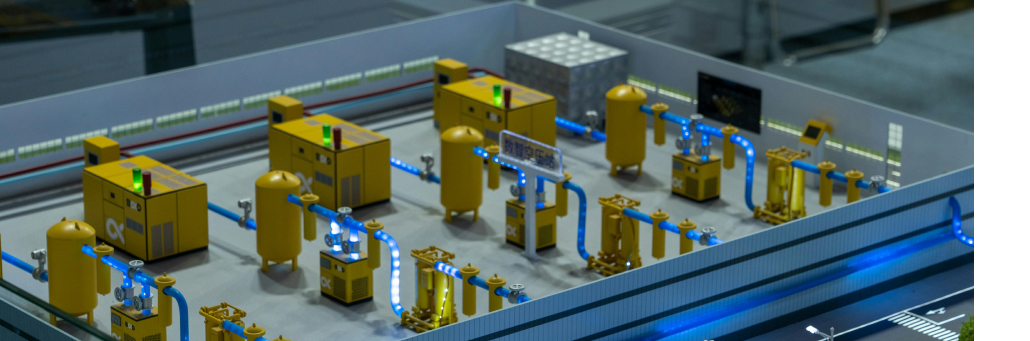
How to Maintain IIoT Security
IIoT networks face higher risks due to their scale and criticality. Consumer IoT often uses basic passwords; IIoT demands enterprise-grade protection.
Essential security practices:
✔️ Network segmentation: Isolate IIoT devices from corporate IT
✔️ Zero-trust architecture: Verify every device/connection continuously
✔️ Edge security gateways: Filter traffic before it hits the internet
✔️ Encrypted protocols: Use MQTT-TLS, OPC UA Secure for device comms
✔️ Firmware management: Regular updates with secure boot
✔️ Access controls: Role-based, multi-factor authentication
✔️ Continuous monitoring: SIEM systems detect anomalies instantly
✔️ VPN tunnels: Secure remote access to industrial controllers
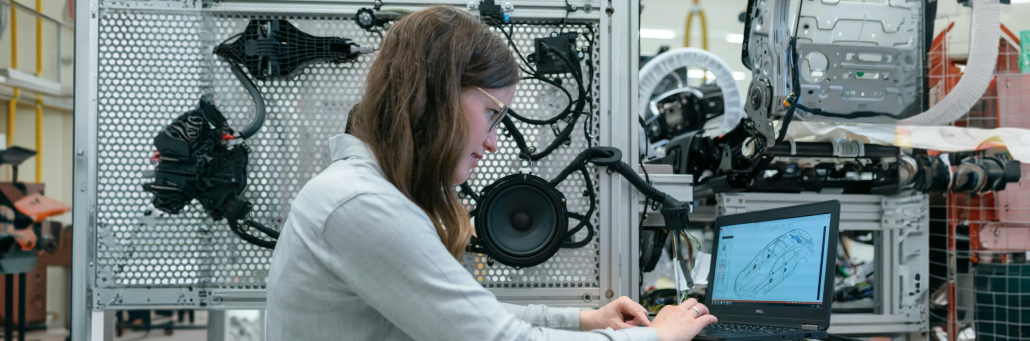
Real-World Examples
Consumer IoT Examples:
- Nest Thermostat: Learns home temperature preferences, adjusts automatically
- Amazon Echo: Voice commands control lights, music, shopping lists
- Fitbit: Tracks steps, heart rate, sleep patterns for personal health
- Ring Doorbell: Remote video access, motion alerts to smartphone
- Smart Refrigerator: Inventory tracking, recipe suggestions
IIoT Examples:
- CNC Machine Sensors: Monitor vibration, temperature to predict failures
- Conveyor Belt RFID: Tracks parts movement across factory floor
- Oil Pipeline Pressure Sensors: Detect leaks in real-time across 100s of miles
- Wind Turbine SCADA: Optimize blade angle based on weather data
- Pharma Cleanroom Monitors: Ensure temperature/humidity for drug safety
Core Differences
| Aspect | Consumer IoT | IIoT |
| Purpose | Convenience, entertainment | Efficiency, automation, safety |
| Devices | Smart thermostats, wearables | Sensors, robots, machine monitors |
| Scale | Small (1-20 devices/home) | Large (10,000+ devices/plant) |
| Reliability | Occasional downtime OK | 99.99% uptime required |
How IIoT Relates to the Internet
IIoT depends on internet connectivity as its backbone. Sensors collect real-time data from machines, which gateways send to cloud platforms via wired or wireless networks.
This enables edge-to-cloud flow, M2M communication, and scalable bandwidth for thousands of devices.
Why the Distinction Matters
Consumer IoT prioritizes user experience with simple Wi-Fi. IIoT needs rugged protocols, secure VPNs, and enterprise-grade internet which is why Fireline Broadband would be your perfect tech partner.
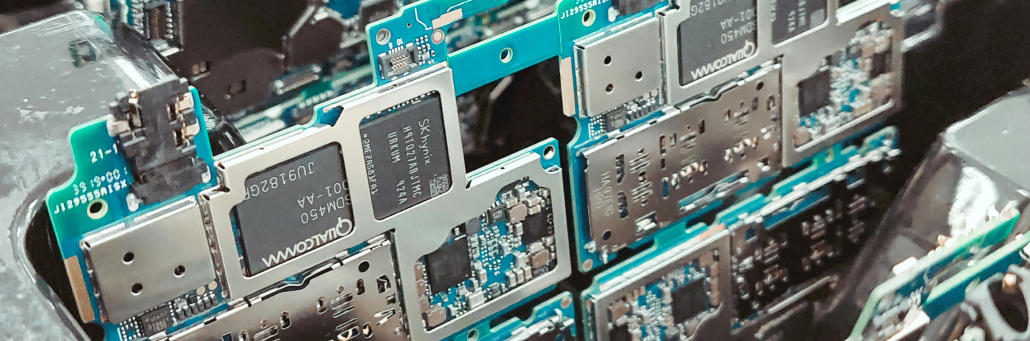
The Implementation of IIoT
IIoT and consumer IoT may both connect devices to the internet, but they serve very different goals. Consumer IoT is built for convenience, while IIoT is built for uptime, visibility, and operational control.
For manufacturers, the real value of IIoT comes from better data, faster decisions, and stronger resilience across production and supply chain systems. That only works when the network is secure, reliable, and ready to scale with demand.
Fireline Broadband can help by providing the high-performance connectivity and backup support IIoT environments need to stay online and productive.
Call our business team: 877-347-3147
Learn more about our Dedicated Internet Solutions
FAQs About IIoT
What’s the biggest IIoT advantage over consumer IoT?
Industrial-scale reliability and real-time analytics for zero-downtime operations.
Does IIoT always need internet?
Yes—gateways route sensor data to cloud/edge systems via IP networks.
Can consumer IoT scale to factories?
No—lacks durability, security, and bandwidth for industrial demands.
How do I secure my IIoT network?
Use network segmentation, zero-trust, edge gateways, and encrypted protocols.