

Colocation Interconnection: Connect Your Data Center to Clouds, Partners, and the World
Imagine you have servers in a colocation facility. They are secure, well‑powered, and reliably cooled. But there is a problem: getting data into and out of those servers still relies on the public internet—slow, unpredictable, and exposed to security risks.
Colocation interconnection solves that problem. Interconnection is the practice of creating direct, private, high‑speed connections between your colocated equipment and other networks: cloud providers, business partners, other data centers, and internet exchanges.
This guide explains what colocation interconnection is, why it matters more than ever for AI and hybrid cloud, and how to evaluate interconnection options for your business. We will also cover security considerations and answer the most common questions IT leaders ask.

What Is Colocation Interconnection?
In simple terms, interconnection is a private, dedicated link between two or more parties inside a colocation data center.
Instead of sending traffic across the public internet (which can be slow, unreliable, and vulnerable), interconnection uses physical cables—called cross connects—that run directly between your rack and another tenant’s rack, a cloud provider’s on‑ramp, or an Internet Exchange Point (IXP).
| Connection Type | How It Works | Latency |
| Public Internet | Traffic routes across multiple ISP networks | Variable, often high |
| VPN over Internet | Encrypted tunnel over public internet | Still variable |
| Direct Cross Connect | Physical cable between two racks in the same facility | Ultra‑low, consistent |
| Cloud On‑Ramp (e.g., Direct Connect) | Private connection from colo to cloud provider | Low, predictable |
| Interconnection Platform | Software‑defined virtual cross connects across multiple facilities | Low, configurable |
Interconnection turns a colocation facility from a simple “server hotel” into a strategic hub for your entire digital infrastructure.
Why Interconnection Matters More Than Ever
1. AI and Hybrid Cloud Demand Low Latency
Training artificial intelligence (AI) models and running real‑time inference requires massive amounts of data to move between GPUs, storage, and networks. Any delay—any latency—slows down training and makes inference less responsive.
Direct interconnection to cloud GPU providers (such as Vultr or others) or to specialized AI infrastructure allows you to keep your data in your colocation rack while using cloud compute elastically. This proximity is critical.
As one industry analyst recently noted, “Enterprises need a unified infrastructure stack for enterprise AI and hybrid cloud, combining global colocation, physical proximity, and on‑demand compute.”
2. Data Gravity Is Real
“Data gravity” is the idea that as you accumulate data, it becomes harder and more expensive to move. Applications and services naturally gravitate toward where the data lives. Interconnection allows you to bring the compute to the data rather than moving massive datasets across the public internet.
3. Cloud Costs Are Rising
Many enterprises are repatriating workloads from public cloud back to colocation. But they still need occasional access to cloud services for bursting, AI training, or disaster recovery. Direct interconnection provides the best of both worlds: cost‑effective colocation for steady‑state workloads, plus on‑demand cloud access without expensive egress fees.
4. Edge and Distributed Architectures
Modern applications run everywhere: in central data centers, in regional colocation facilities, at the edge, and in multiple clouds. Interconnection stitches these environments together into a single, logical network.
Types of Colocation Interconnection
1. Cross Connects (Physical)
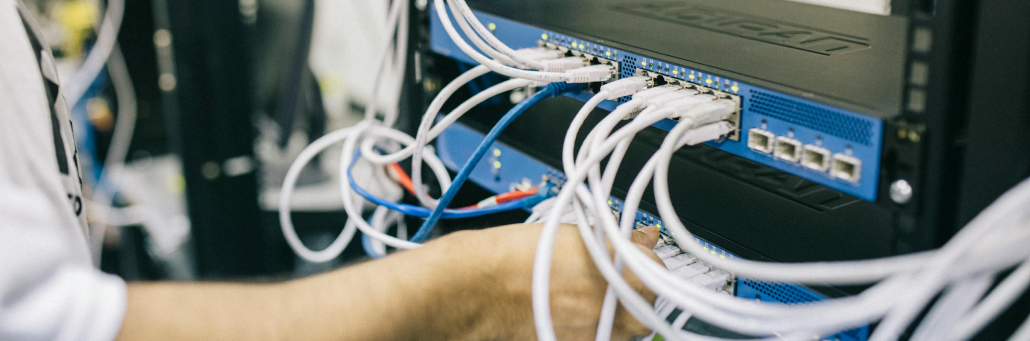
A physical cable—typically copper or fiber—that directly connects two pieces of equipment within the same colocation facility.
Best for: High‑throughput, low‑latency connections between your servers and a business partner, a carrier, or an Internet exchange.
2. Cloud On‑Ramps (Direct Connect / ExpressRoute)
A dedicated, private connection from your colocation rack to a public cloud provider such as AWS, Microsoft Azure, or Google Cloud.
Best for: Hybrid cloud architectures where some workloads run in colocation and others run in the cloud, with regular data exchange between them.
3. Metro Connect / Data Center Interconnect (DCI)
A private connection between two colocation facilities in the same metropolitan area, often provided by the colocation operator or a specialized partner.
Best for: Active‑active high availability, disaster recovery, or distributing workloads across multiple facilities for compliance or performance.
4. Interconnection Platforms (Software‑Defined)
Services such as Digital Realty’s ServiceFabric® or CoreSite’s Open Cloud Exchange® allow you to provision virtual cross connects between multiple parties across multiple facilities using a software portal or API.
Best for: Dynamic, multi‑party, multi‑site interconnection needs that change frequently.

Security Benefits of Colocation Interconnection
Security is often the #1 reason enterprises move from public internet to private interconnection.
| Security Layer | How Interconnection Helps |
| Data in transit | Traffic never traverses the public internet, eliminating exposure to man‑in‑the‑middle attacks, DDoS, and BGP hijacking. |
| Network isolation | Cross connects are point‑to‑point, private connections. No other tenant can see your traffic. |
| Compliance | For regulated industries (healthcare, finance, government), private interconnection simplifies audit and compliance (HIPAA, PCI‑DSS, FedRAMP) by keeping data within a defined, controlled network boundary. |
| DDoS mitigation | Because your traffic does not flow across the public internet, you are not subject to volumetric DDoS attacks aimed at general internet transit. |
| Encryption | You can still encrypt traffic over cross connects, but even unencrypted traffic on a private cross connect is far less exposed than unencrypted traffic on the internet. |
Physical Security Integration
nterconnections rely on the physical security of the colocation facility itself. Reputable colocation providers such as Fireline Broadband implement:
- Biometric access controls (fingerprint or hand geometry)
- Mantraps (interlocking doors that trap unauthorized individuals)
- 24/7 video surveillance with recorded retention
- On‑site security personnel
- Locked cages and cabinets with individual access credentials
A cross connect is only as secure as the facility it runs through. Always verify your colocation provider’s security certifications (e.g., SOC 2 Type II, ISO 27001) and physical security practices.
Colocation vs. Cloud: Why Interconnection Bridges the Gap
The popular narrative often frames colocation and cloud as opposing choices. In reality, interconnection turns them into complementary tools.
| Factor | Colocation Alone | Cloud Alone | Colocation + Interconnection |
| Data control | Full control | Limited | Full control in colo, flexible in cloud |
| Latency to cloud services | High (via internet) | Very low (inside cloud) | Very low (dedicated private on‑ramp) |
| Cost for predictable workloads | Low | High (egress, API fees) | Low for colo, controlled for cloud burst |
| Security | High (physical + network) | Shared responsibility | High + private, dedicated links |
| Agility | Moderate | High | High (burst to cloud when needed) |
How Fireline Broadband Enables Interconnection
Fireline Broadband’s Tier II+ data centers in Los Angeles and Orange County offer AI-ready colocation with direct peering to major interconnection hubs.
What we offer:
- Carrier‑neutral meet‑me‑room: Connect directly to dozens of carriers, ISPs, and cloud on‑ramps.
- Direct fiber to major interconnection points: Equinix LA1/LA4/LA5, CoreSite LA, and more
- Private cross connects: Physical fiber or copper connections between your rack and any other tenant or service provider in the facility.
- 24/7 remote hands: Our on‑site engineers can install and maintain cross connects for you.
Whether you are building a hybrid cloud, connecting to a business partner, or simply want lower‑latency internet access via direct peering, Fireline Broadband provides the interconnection options you need.
Ready to Interconnect?
Colocation gives you control, security, and cost predictability. Interconnection gives you connection — to the cloud, to partners, and to the world — without sacrificing performance or security.
As enterprises adopt hybrid cloud, AI, and distributed architectures, interconnection is no longer a “nice to have.” It is a core component of modern infrastructure strategy.
Fireline Broadband’s Los Angeles data center is ready to be your interconnection hub. With direct fiber to major exchange points, private cross connects, and cloud on‑ramps, we provide the connectivity your business needs to thrive.
Call our business team:877-347-3147
Learn more about our Data Center Solutions
FAQs About AI Hosting
What is colocation interconnection?
Colocation interconnection is a private, dedicated connection between your equipment in a colocation data center and another party (cloud provider, business partner, carrier, or another data center) using direct physical cables or software‑defined virtual links.
How is interconnection different from the public internet?
Public internet traffic routes through multiple ISP networks, which introduces latency, variability, and security risks. Interconnection is a direct, private link that does not touch the public internet — offering lower latency, consistent performance, and higher security.
What is a cross connect?
A cross connect is a physical cable (copper or fiber) that directly connects two pieces of equipment within the same colocation facility. It is the most common form of interconnection.
Do I need a cloud on‑ramp?
If you use public cloud services (AWS, Azure, GCP) alongside your colocated servers, a cloud on‑ramp (Direct Connect, ExpressRoute, Interconnect) provides a private, high‑performance, cost‑predictable connection. It is strongly recommended for any regular data exchange between colo and cloud.
Is colocation interconnection secure?
Yes. Interconnection traffic never traverses the public internet, eliminating many common attack vectors. However, the security of the interconnection depends on the physical security of the colocation facility itself and your own network security practices (e.g., firewalls, encryption).
How much does interconnection cost?
Costs vary. A simple cross connect within a single facility might cost a fixed monthly fee (e.g.,
200 – 500). Cloud on‑ramps include a port fee plus data transfer charges (often discounted compared to public internet egress). Metro connects and interconnection platforms typically have subscription or usage‑based pricing.
What is a meet‑me‑room?
A meet‑me‑room (MMR) is a secure area within a colocation data center where multiple carriers and network providers physically interconnect. It is the hub for interconnection.
Can I interconnect between two different colocation providers?
Yes, using a metro connect or a data center interconnect (DCI) service. This typically involves a third‑party provider that has fiber between the two facilities, or a direct agreement between the colocation providers.
How do I get started with interconnection?
Contact your colocation provider’s interconnection team. They will survey your requirements, check availability of cross connects or cloud on‑ramps, and provide pricing. Fireline Broadband offers free interconnection consultations.