

Internet Solutions for Agriculture: Precision Farming Through Connectivity
Agriculture faces growing demands to feed more people with fewer resources. Internet connectivity makes that possible by connecting sensors, drones, and equipment to deliver real-time data for smarter decisions.

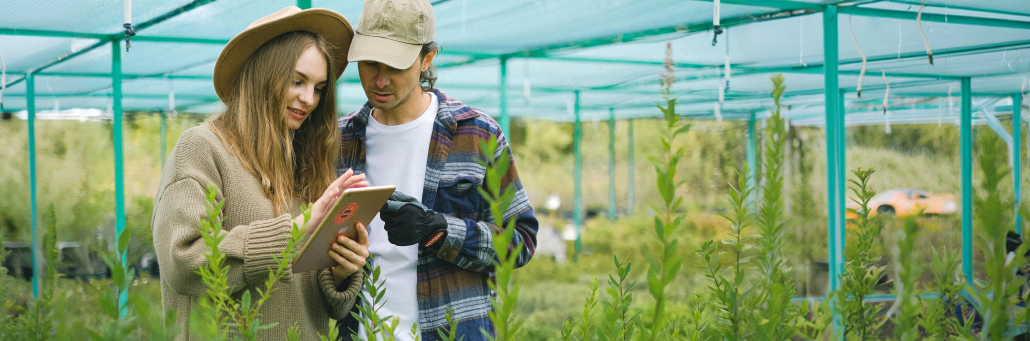
Why internet is essential for modern agriculture
Reliable internet lets farmers monitor soil moisture, weather patterns, crop health, and livestock conditions from anywhere. That data supports precision farming, where inputs like water, fertilizer, and pesticides match field needs exactly.
Without strong connectivity, farmers miss opportunities to adjust irrigation, spot pests early, or predict yields accurately. Rural areas often lack the bandwidth needed for cloud analytics and IoT data streams.
Key agriculture use cases
Connected agriculture uses internet-enabled IoT for soil sensing, automated irrigation, drone imagery, and livestock monitoring. These tools turn data into actionable insights for better yields and lower costs.
| Use case | How Internet Helps | Benefits |
| Precision Irrigation | Sensors send soil moisture data to cloud for automated watering | Saves 20-30% water, reduces waste |
| Crop Health Monitoring | Drones/cameras upload images for AI pest/disease detection | Early intervention, higher yields |
| Soil Nutrient Analysis | Real-time sensors track NPK levels, pH for fertilizer optimization | Cuts input costs 15-25% |
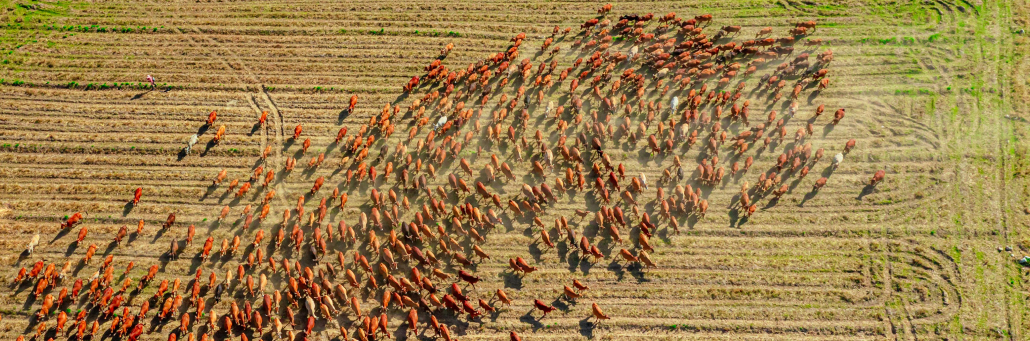
| Livestock Tracking | GPS collars send location/health data to farm dashboards | Better herd management, disease prevention |
Security for agriculture IoT systems
Connected agriculture devices handle sensitive data like crop yields, farm locations, and financial details, making them targets for cyberattacks. Security risks include data theft, device hijacking, and manipulated sensor readings that could harm crops or livestock.
Agriculture IoT security risks and solutions:
| Risk | Description | Solution |
| Data breaches | Theft of farm data, yields, locations | Encryption (TLS), access controls, data anonymization |
| Device hijacking | Compromised sensors send false data | Device authentication, firmware signing, OTA updates |
| Remote manipulation | Attackers alter irrigation/equipment controls | Network segmentation, zero-trust access |
| Weak remote connectivity | Rural gaps expose unpatched devices | Secure VPNs, edge security gateways |
| Supply chain attacks | Vendor vulnerabilities affect farms | Vendor audits, standardized security protocols |
Proper security protects operations while enabling safe data sharing for AI insights.
Agriculture IoT and AI trends
IoT sensors create the data foundation, while AI analyzes it for insights like optimal planting times or irrigation schedules. Internet bridges field devices to cloud platforms for processing.
Examples include smart greenhouses that adjust climate automatically and autonomous tractors that follow GPS routes. These systems need low-latency, high-uptime internet to work effectively.
Connectivity challenges in agriculture
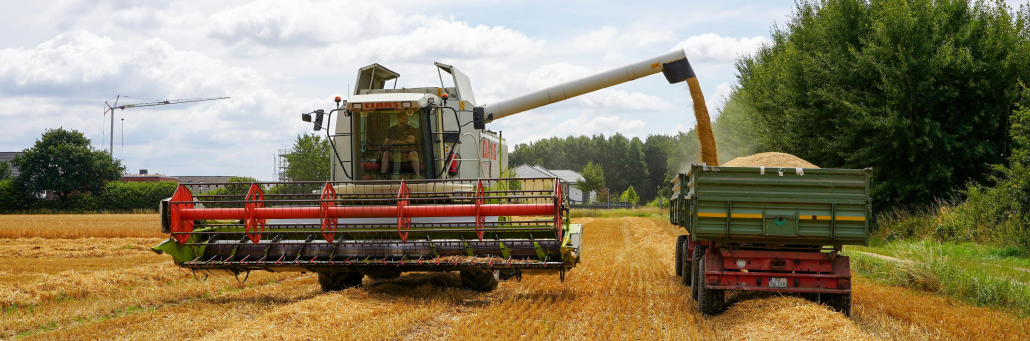
Rural farms often deal with spotty cellular coverage, high data volumes from sensors, and power limitations for remote devices. Solutions include low-power wide-area networks (LPWAN), satellite backups, and edge computing.
Weather extremes and large field areas add complexity. Multi-network failover ensures devices stay online when primary connections fail.
Internet solutions for agriculture
Agriculture benefits from scalable broadband, secure IoT connectivity, and failover options tailored to remote locations.
| Solution | Best for | Why it helps |
| Fixed Wireless | Farm offices, processing plants | High-speed symmetrical for cloud analytics |
| Cellular IoT (LTE/5G) | Field sensors, tractors | Low-latency, mobile coverage |
| LPWAN (LoRaWAN) | Soil sensors, livestock tags | Long-range, low-power |
| Satellite Backup | Remote fields | Failover for zero downtime |
| Edge Gateways | On-farm data processing | Reduces cloud dependency |
How Fireline helps agriculture
Fireline Broadband delivers reliable fixed and wireless internet for farm operations, supporting IoT data flows and cloud platforms. Fireline Communications keeps teams connected for coordination and remote management.
These solutions help farmers scale precision agriculture without connectivity worries, ensuring sensors transmit data and AI insights reach decision-makers promptly.
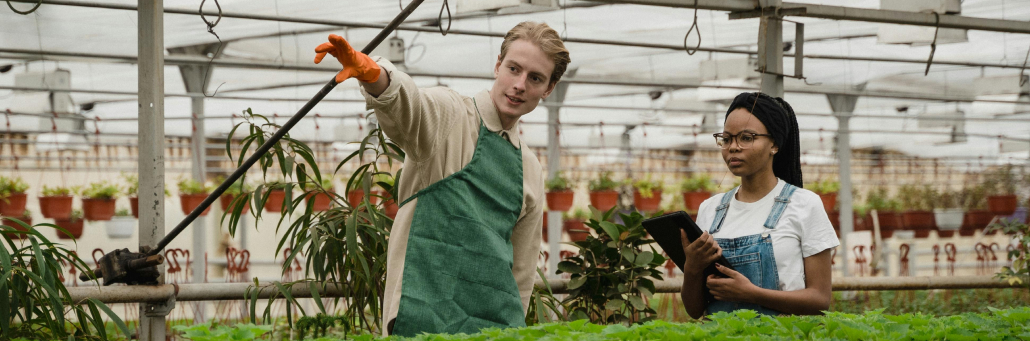
Fueling the Growth of Agriculture
Internet connectivity transforms agriculture from guesswork to precision. Farmers who embrace it gain efficiency, sustainability, and profitability in a competitive world.
Investing in the right network today positions farms for tomorrow’s AI and IoT advances.
Call our business team: 877-347-3147
Learn more about our Dedicated Internet Solutions
FAQs About Internet for Agriculture
Why do farmers need reliable internet for agriculture?
Reliable internet connects IoT sensors to cloud analytics, enabling precision irrigation, crop monitoring, and yield predictions that save resources and boost output.
How does IoT improve farming efficiency?
IoT sensors track soil, weather, and crop data in real time, allowing automated adjustments to water, fertilizer, and pesticides for optimal growth.
What are common IoT applications in agriculture?
Precision irrigation, soil nutrient monitoring, drone-based crop scouting, livestock health tracking, and smart greenhouse controls all rely on IoT.
How does poor connectivity affect farm operations?
Spotty internet delays data analysis, disrupts automation, and limits remote monitoring, leading to wasted resources and missed opportunities.
What internet speeds are needed for agriculture IoT?
Basic sensor data needs 1-5Mbps upload per device; cloud analytics and video require 50-100Mbps symmetrical for multiple farms.
How can farmers secure their IoT systems?
Use encryption, device authentication, network segmentation, regular firmware updates, and secure cloud access to protect farm data and operations.
Can Fireline support rural agriculture connectivity?
Yes, Fireline Broadband offers fixed wireless and failover solutions designed for remote locations with high reliability for IoT and farm management.