

Manufacturing Resilience Through Better Network Infrastructure
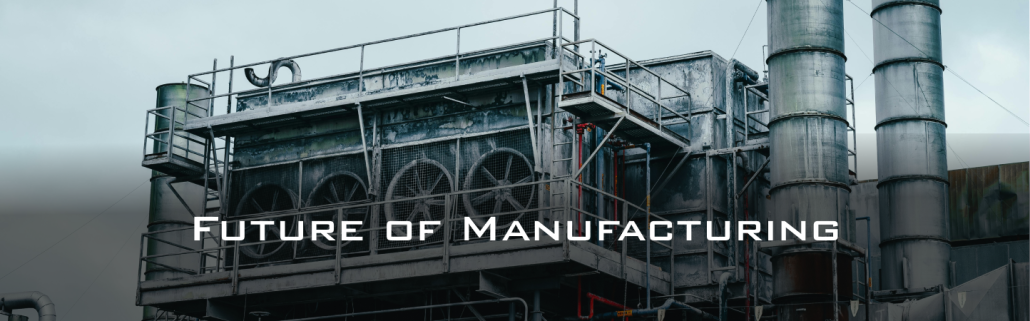
Manufacturing companies are under pressure to keep production moving even when suppliers, logistics partners, or internal systems are disrupted. A strong network infrastructure helps teams respond faster, protect operations, and reduce the impact of delays across the supply chain.

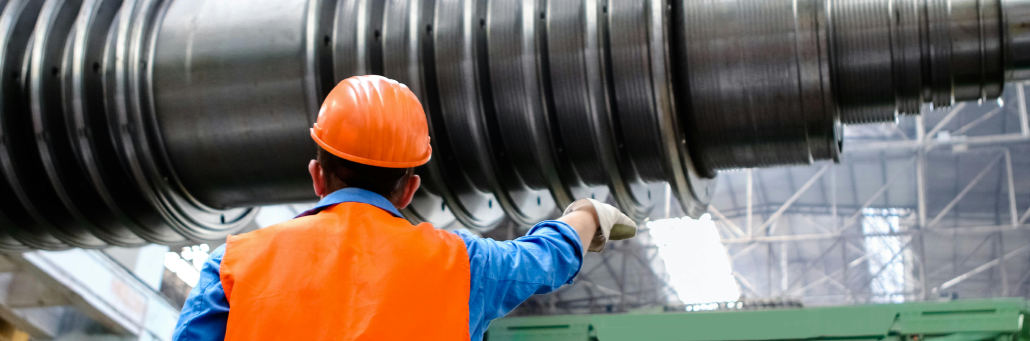
How Manufacturing is Evolving
Manufacturing has shifted from manual assembly lines to smart, connected factories powered by Industry 4.0. Automation, robotics, and digital integration now drive efficiency but demand robust networks to succeed.
Key evolutionary trends:
- Smart factories: Real-time data from machines, robots, and sensors coordinates production.
- Digital twins: Virtual models simulate operations for faster troubleshooting and optimization.
- Predictive maintenance: AI analyzes equipment data to prevent breakdowns before they occur.
- Supply chain digitization: Blockchain and IoT track parts from supplier to assembly.
- Remote operations: AR glasses let experts guide workers from anywhere via high-speed video.
These changes create 10x data growth, requiring networks that handle constant high-volume streams without interruption. Legacy infrastructure cannot keep pace with this evolution.
Bandwidth Growth in Manufacturing
| Technology | 2015 Bandwidth | 2025 Bandwidth | Growth Factor |
| Machine Vision | 10Mbps/camera | 100Mbps/camera | 10x |
| IoT Devices | 100 devices/plant | 10,000 devices/plant | 100x |
| Video Analytics | 25Mbps stream | 200Mbps stream | 8x |
| Remote AR/VR | Not deployed | 50Mbps/user | New demand |
| Digital Twins | N/A | 1-5Gbps transfers | New demand |
This chart shows manufacturing’s explosive bandwidth requirements as digital transformation accelerates.
The Growing Bandwidth Needs of Manufacturing
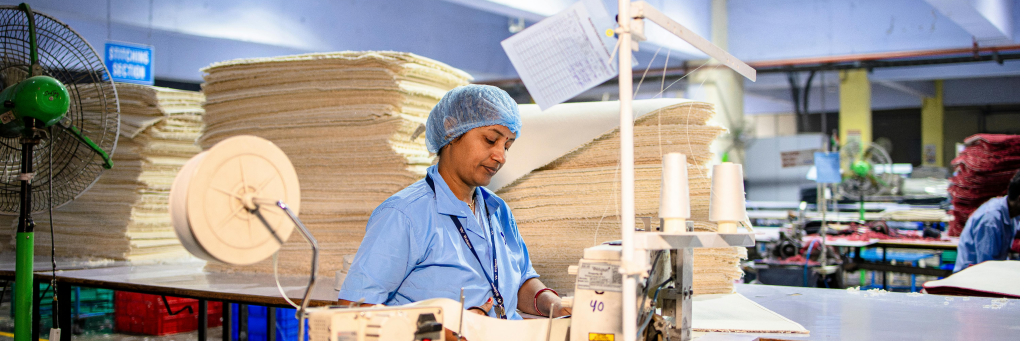
Modern manufacturing operations demand significantly more bandwidth than traditional setups. Industry 4.0 technologies like IoT sensors, real-time machine monitoring, and AR/VR training push networks to their limits.
Key bandwidth drivers:
- Machine vision cameras: 50-200Mbps per camera
- IoT/IIoT devices: 10,000+ devices per plant averaging 1-5Mbps each
- Real-time analytics: 100Mbps+ continuous data streams
- Remote experts: 4K video collaboration (25-50Mbps)
- Digital twins: Multi-Gbps simulation data transfers
Bandwidth growth trend:
Manufacturing networks see 30-50% annual bandwidth increases as automation expands. Legacy 100Mbps connections now bottleneck production lines and cloud ERP systems.
Solution:
Upgrade to symmetrical multi-gigabit internet solutions with fiber or fixed wireless for scalable capacity. Fireline Broadband delivers 1-100Gbps connections that grow with manufacturing’s digital transformation.
Why network infrastructure matters
Manufacturing depends on constant communication between plants, warehouses, suppliers, and customers. When the network is slow or unreliable, teams lose visibility into inventory, shipments, machine data, and order updates.
That can create avoidable delays, missed deadlines, and higher operating costs. A resilient network gives manufacturers the speed and stability they need to make decisions in real time.
How disruptions affect manufacturing
Supply chain problems often start outside the plant, but they quickly affect production. Common issues include delayed parts, limited inventory visibility, vendor communication gaps, and downtime at connected facilities.
When systems are disconnected or slow, manufacturers may overorder, underproduce, or miss time-sensitive shipments. A better network reduces those blind spots and helps teams adapt faster.
Ways to future-proof operations
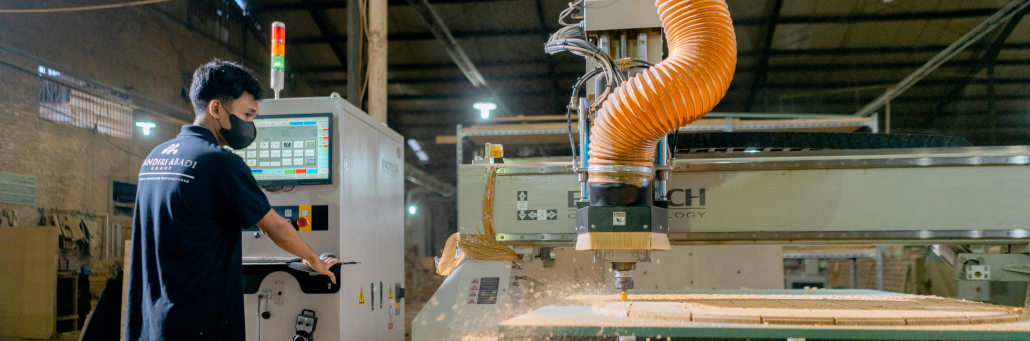
Manufacturers can strengthen resilience by improving the underlying network that supports production and logistics.
Key steps include:
- Build reliable connectivity between sites.
- Use backup connections to reduce downtime.
- Centralize data access for inventory and operations.
- Secure communications across plants and vendors.
- Monitor network performance continuously.
These changes help teams keep working even when supply chains become unpredictable.
Security and continuity
Network infrastructure also plays a major role in protecting manufacturing systems. Secure access controls, encrypted traffic, and separate guest or vendor networks help reduce risk while keeping operations running.
Business continuity planning should include backup internet, failover routing, and clear recovery procedures. That way, a local outage does not stop production or communication with suppliers.
How Fireline helps
Fireline Broadband supports manufacturers with dependable internet infrastructure, while Fireline Communications helps keep business communication connected across teams and locations. Together, they give manufacturers a stronger foundation for visibility, coordination, and continuity.
That matters when supply chains are under pressure and every minute counts.
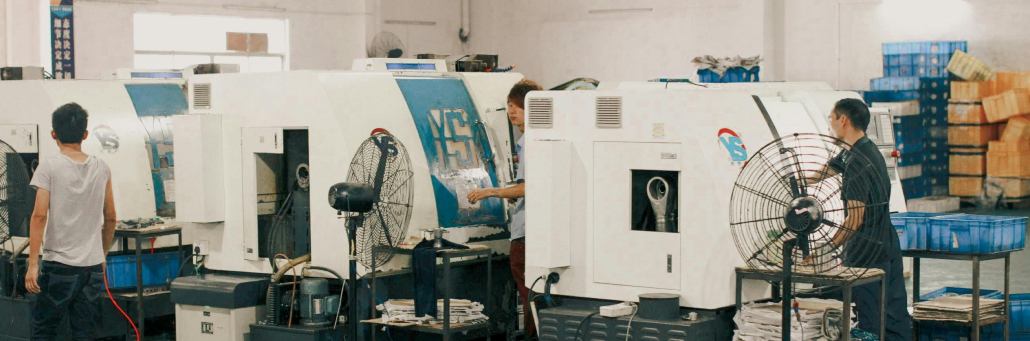
Empowering Manufacturing for the Future
Manufacturers cannot control every supply chain disruption, but they can control how well they respond. A strong network makes it easier to see problems sooner, communicate faster, and keep production moving.
For companies that want to stay competitive, future-proofing starts with the infrastructure behind the operation.
Call our business team: 877-347-3147
Learn more about our Dedicated Internet Solutions
FAQs About Manufacturing
What is future-proofing in manufacturing?
It means preparing operations to stay stable and flexible when disruptions happen.
Why is network infrastructure important in manufacturing?
It supports communication, data visibility, production control, and continuity across sites.
How does better connectivity help with supply chain issues?
IoT devices, machine vision, real-time analytics, and 4K remote collaboration demand multi-gigabit networks.
What are the biggest bandwidth challenges in manufacturing?
IoT devices, machine vision, real-time analytics, and 4K remote collaboration demand multi-gigabit networks.
How can Fireline support manufacturers?
Fireline Broadband and Fireline Communications help provide the connectivity and communication tools needed for resilient operations.