

Enable the Future with Top Stadium Technology
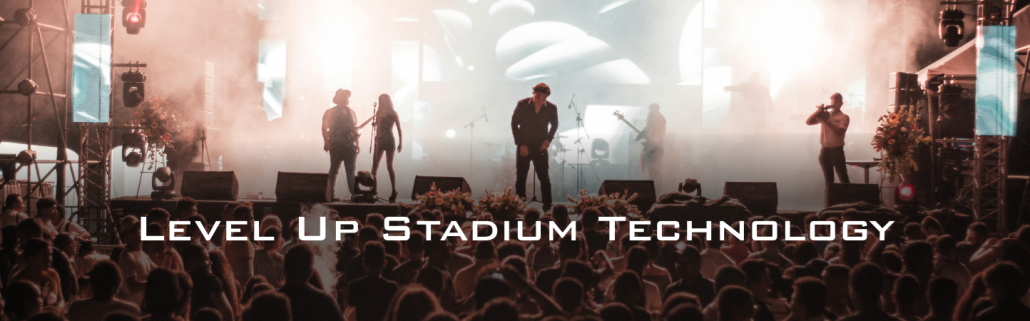
Stadiums are evolving fast. From immersive fan experiences to operational efficiency, connectivity is the backbone. Modern venues must compete with the living room—huge TVs, instant replays, and second screens—while delivering unique in-person energy. This guide covers core technologies powering stadiums, with real-world examples and practical steps for owners and operators.

Why Stadiums Need Advanced Connectivity
Stadiums serve fans, teams, broadcasters, sponsors, and operators. Fixed networks, wireless, IoT, AI, and edge computing create seamless experiences:
- Fans expect no dead zones, Augmented Reality (AR) overlays, and in-seat ordering.
- Teams need biometrics and performance analytics.
- Broadcasters demand multi-camera 4K feeds.
- Operators want crowd control and revenue optimization.
Investments like SoFi Stadium ($5.5B) show the scale—1,200 km of cabling at Tottenham Hotspur alone.
Core Technologies
Fixed Communications & Power
Backbone for everything. High-density cabling supports:
- Wi-Fi Access Points and wireless access points.
- UHD camera feeds.
- Video walls and speakers.
- USB charging at seats.
Example: Tottenham’s 1,640 under-seat Wi-Fi hotspots and 4,500 speakers.
Wireless: Wi-Fi + Fixed Wireless
- Wi-Fi 6/7: Fan connectivity, analytics, eCommerce.
- Neutral Host DAS: Shared for MNOs (AT&T, Verizon, etc.).
- Fixed Wireless: Reliable outdoor coverage, rapid deployment for temporary events.
Example: Crypto.com Arena’s DAS covers 2.5M sq ft with 331 antennas, 30Gbps fiber backbone.
AI/ML & Edge Computing
- AI: Fan personalization, overcrowding detection.
- Edge: Low-latency video processing, AR overlays.
- Cloud: On-demand for analytics, apps.
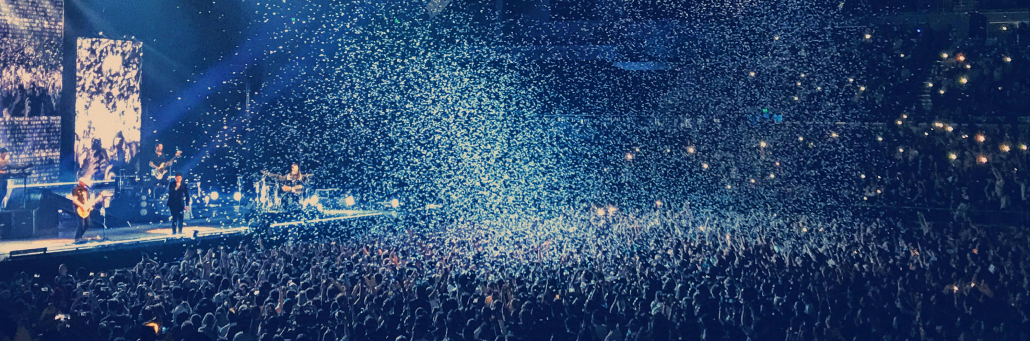
Monetization Opportunities
Advanced connectivity unlocks new revenue streams:
| Revenue Source | Technology | Example |
| In-seat eCommerce | Wi-Fi + Apps | Food/merch delivery ($20-50/order) |
| Personalized Ads | AI + Location Data | Dynamic sponsorships |
| Premium AR/VR | Wi-Fi + Fixed Wireless | $15/game pass for replays |
| eSports Events | Edge + Cloud | Off-season gaming tournaments |
| Data Insights | Big Analytics | Sell anonymized fan data |
ROI Example: Wi-Fi portals generate ad revenue while enabling frictionless payments.
Implementation Challenges & Solutions
| Challenge | Impact | Solution |
| High Costs | $50-100/seat | Neutral host DAS sharing |
| Capacity Spikes | Headliner congestion | Wi-Fi 6 + Fixed Wireless |
| Legacy Infrastructure | Poor coverage | Fiber backbone upgrade |
| MNO Coordination | Slow deployment | Single point of contact |
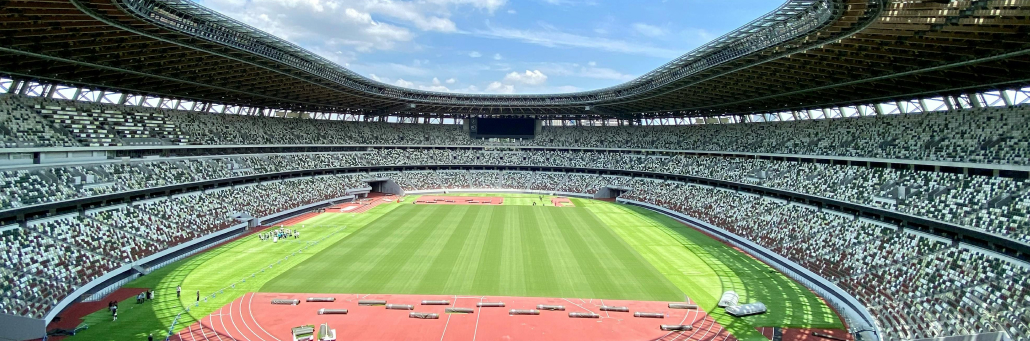
How Fireline Broadband Helps Stadiums
Fireline Broadband delivers stadium-grade connectivity that powers the technologies above:
- Symmetrical 10Gbps+ fiber backhaul for DAS, cameras, edge computing
- Rapid deployment (hours, not months) for events and renovations
- Event-grade SLAs with 99.999% uptime guarantees
- Scalable capacity from 1Gbps to 100Gbps+
- Redundant paths for zero-downtime operations
Real stadium wins:
- Multi-gigabit circuits for 4K video walls and drone camera feeds
- Bonded cellular failover during peak crowd surges
Why Fireline? Stadium operators save 30-50% vs. MNO direct deals through neutral infrastructure. Stadiums like Crypto.com Arena use similar models—Fireline provides the fiber foundation.
Key Applications
| Application | Technology | Benefit |
| Smart Wayfinding | Wi-Fi + Digital Signage | Real-time navigation |
| Second Screens | Wi-Fi + Augmented Reality | Personalized replays, stats |
| Drone/UHD Cams | Fiber + Edge | Multi-angle 4K streams |
| Holograms/AR/VR | Wi-Fi + AI | Immersive overlays |
| eCommerce | Wi-Fi Portal | In-seat delivery, betting |
| Crowd Safety | IoT + ML | Overcrowding alerts |
Examples:
- SoFi’s 70K sq ft Infinity Screen.
- Verizon’s AR games in NFL stadiums.

Why Connectivity Matters During Recovery
Internet and network resilience matter just as much as endpoint security during a ransomware event. If critical systems rely on a single connection or a fragile network design, recovery can be slower and more difficult. Redundant internet access, failover planning, and stable connectivity help keep communication available during an incident.
For healthcare organizations, strong connectivity also supports remote coordination, cloud-based recovery tools, and patient communication during downtime. If a primary path fails, a backup connection can help keep recovery teams working.
How Healthcare Leaders Should Think About Resilience
Healthcare leaders should treat ransomware preparedness as an operational requirement, not just a security project. The goal is to reduce the chance of an incident, but also to make sure the organization can continue delivering care if one happens.
That means aligning IT, clinical operations, compliance, and executive leadership around a shared plan. It also means making investments before a crisis, not after. The organizations that recover best are usually the ones that planned for failure in advance.
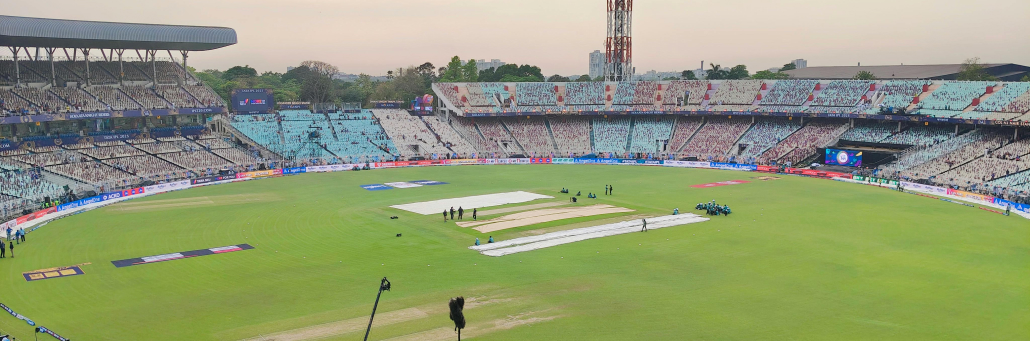
Ready to future-proof your stadium internet system?
The stadiums of tomorrow aren’t just venues—they’re connected entertainment ecosystems generating revenue, safety, and unforgettable experiences. Start with a strong fiber backbone, neutral host DAS, and Wi-Fi 6, then layer on AI, IoT, and fixed wireless for scale.
Fireline Broadband makes it simple: stadium-grade 10Gbps+ fiber/fixed wireless, rapid deployment, and event SLAs that keep fans connected and operators profitable.
Call our business team:877-347-3147
Learn more about our Dedicated Internet Solutions
Stadium operators: The future is connected. Build it now.
FAQs About Stadium Internet
What’s the difference between Wi-Fi and fixed wireless in stadiums?
Wi-Fi handles lots of fans streaming and ordering food at once. Fixed wireless uses radio signals for reliable outdoor coverage where wiring is tough.
Why do stadiums need so much cabling?
All the video screens, speakers, Wi-Fi hotspots, and network gear need a strong “data highway” underneath. Tottenham Stadium used 1,200 km of cable!
How does a stadium make money from connectivity?
Fans buy food/merch from their seats, watch personalized replays for $15, play AR games, and see targeted ads. Wi-Fi portals show ads too.
What’s a neutral host DAS?
Instead of AT&T, Verizon, and others each building separate networks (expensive!), stadiums build one shared system all carriers use.
Do fans get free Wi-Fi?
Yes! Connect to stadium Wi-Fi for maps, ordering, and replays. Some premium features (AR, stats) might cost extra.
How does Fireline help stadiums?
Fireline delivers the super-fast fiber internet backbone + fixed wireless that powers Wi-Fi, cameras, and connected systems. They set it up fast.
Can old stadiums upgrade to future tech?
Yes! Start with better Wi-Fi + fiber backbone, then add fixed wireless and smart sensors later. Fireline handles the heavy lifting.