Why Healthcare Providers Need High-Bandwidth, Secure Internet

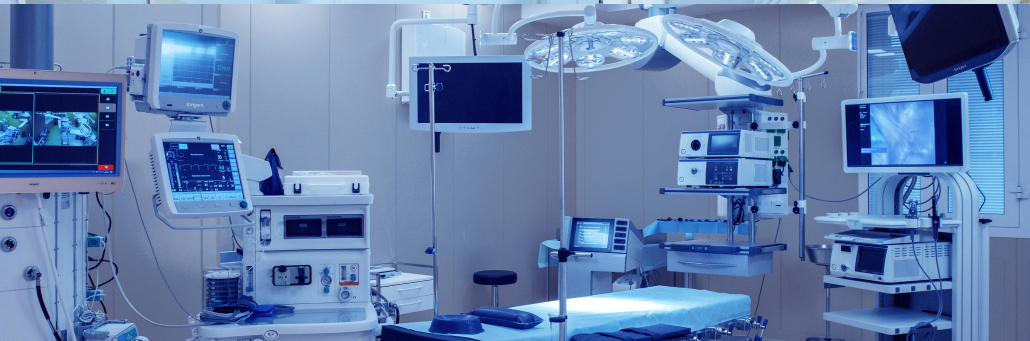
Healthcare organizations depend on internet connectivity for far more than basic communications. Today’s medical practices, clinics, radiology centers, hospitals, assisted living facilities, and rehab centers all rely on secure, high-bandwidth service to support patient records, telehealth, imaging, digital signage, and connected devices. Fireline Broadband delivers fiber and fixed wireless solutions that help healthcare providers stay connected, scalable, and secure.


Secure Internet for Healthcare Providers with Fireline Broadband

Why Bandwidth Matters in Healthcare

Healthcare has become a data-intensive industry. Electronic health records, insurance information, imaging, remote consultations, and patient communication all move across the network every day. In many facilities, those demands happen at the same time, which makes reliable bandwidth essential.

A single location may need to support multiple physicians, administrative users, telehealth appointments, cloud applications, and patient-facing services simultaneously. When bandwidth is limited, performance slows, workflows get delayed, and staff lose valuable time.

Secure Internet for Healthcare Providers with Fireline Broadband

The Cost of Slow Connectivity

Healthcare networks handle simultaneous demands from electronic health records, high-resolution imaging, telehealth visits, remote monitoring, digital signage, administrative systems, and remote staff access. Dedicated bandwidth from Fireline Broadband ensures these critical applications perform consistently without interference from shared networks.

Slow or unstable internet can affect nearly every part of a healthcare operation. It can disrupt telehealth visits, delay file transfers, interfere with image sharing, and make EHR access less efficient. In healthcare, those problems can reduce productivity and create frustration for both staff and patients.

Connectivity issues can also affect patient experience. Digital signage, TV streaming, patient portals, and communication tools all depend on a stable network. When the connection is poor, the patient experience suffers too.

Secure Internet for Healthcare Providers with Fireline Broadband

What Healthcare Networks Need to Support

Modern healthcare networks must handle a wide range of applications and devices.

Common demands include:

Healthcare ApplicationBandwidth NeedKey Requirements
Electronic Health RecordsMediumFast access & updates
High-Resolution Medical ImagingVery HighLarge file transfers
Telehealth & Video ConferencingHighLow latency video
Remote Patient Monitoring & WearablesMediumContinuous data stream
Digital Signage & Patient EntertainmentLow-MediumSecure access
Administrative & Billing WorkflowsLowExtremely remote locations
Secure Access for Remote StaffMediumVPN + cloud access

Each of these uses adds load to the network. As healthcare becomes more connected, the need for strong infrastructure only grows.

Dedicated Fiber for Healthcare

Dedicated fiber provides healthcare facilities with private, uncontended bandwidth ideal for high-capacity imaging workflows, multi-location connectivity, and data center integration. Fireline Broadband’s fiber network supports symmetrical speeds perfect for large file transfers and cloud-based clinical applications.

Best for:

  • Hospitals and multi-site practices
  • Radiology centers and imaging workflows
  • Data center connectivity and EHR hosting
  • High-volume telehealth operations

Dedicated Fixed Wireless for Healthcare

Dedicated fixed wireless delivers private point-to-point connectivity with rapid deployment, making it ideal for time-sensitive installations, remote clinics, or backup circuits. Fireline Broadband’s fixed wireless provides dedicated bandwidth with line-of-sight reliability.

Best for:

  • Quick deployment at new facilities
  • Remote or satellite clinics
  • Backup/redundancy circuits
  • Path diversity alongside fiber

Dedicated Internet = Network Reliability

Healthcare cannot afford shared consumer-grade connections. Dedicated service from Fireline Broadband means:

  • Scalable capacity – Grow without service interruptions
  • Private bandwidth – No contention with neighbors
  • Guaranteed performance – SLAs back every circuit
  • Consistent throughput – Daytime, nighttime, peak hours
Secure Internet for Healthcare Providers with Fireline Broadband

Combining Dedicated Fiber + Fixed Wireless

Many healthcare providers use both dedicated fiber and dedicated fixed wireless for true redundancy:

  • Automatic failover keeps EHR, telehealth, and billing online
  • Primary: Dedicated fiber for main capacity
  • Backup: Dedicated fixed wireless for failover
  • Different physical paths prevent single-point failures

Security and Compliance for Healthcare

HIPAA compliance demands more than passwords. Dedicated connections reduce exposure compared to shared networks:

  • Private circuits limit external access points
  • End-to-end encryption options
  • No neighbor traffic on your bandwidth
  • Dark fiber available for maximum isolation

Coverage for Healthcare Facilities

Fireline Broadband serves healthcare across:

  • Los Angeles – Riverside – San Bernardino
  • Palm Springs – Las Vegas – Orange County

Dedicated fiber where available. Dedicated fixed wireless everywhere else.

Why Healthcare Chooses Fireline Broadband

Dedicated bandwidth – Never shared with consumers
Healthcare experience – Built for clinical workflows
Rapid response – Local technicians, not ticket systems
True redundancy – Fiber + wireless path diversity
HIPAA-ready – Security and compliance focus

Secure Internet for Healthcare Providers with Fireline Broadband

Ready to future-proof your healthcare internet system?

Contact Fireline Broadband for a site assessment. We’ll map your challenges and design a wireless network that scales with your healthcare campus.

Call our business team:877-347-3147
Learn more about our Dedicated Internet Solutions

FAQs About Secure Internet in Healthcare

Why do healthcare providers need dedicated internet?

Dedicated service eliminates bandwidth contention, ensuring consistent performance for EHR, imaging, and telehealth.

What’s the difference between dedicated fiber and dedicated fixed wireless?

Fiber offers unlimited capacity through underground infrastructure. Fixed wireless provides rapid deployment via line-of-sight towers.

Can healthcare use both fiber and fixed wireless together?

Yes. Many providers combine both for redundancy with different physical paths.

Is dedicated service more secure for healthcare?

Yes. Private circuits reduce exposure compared to shared consumer networks.

How quickly can healthcare facilities get service?

Dedicated fixed wireless installs in days. Dedicated fiber builds dependent on fiber path availability.

What healthcare facilities does Fireline serve?

Hospitals, clinics, radiology centers, assisted living, rehab facilities, and multi-site practices.

Fixed Wireless vs. Satellite Internet: What’s the Difference?

When businesses need internet outside the reach of traditional fiber or cable, two common options come up: fixed wireless and satellite internet. Both can serve locations where wired service is limited, but they work very differently and deliver very different performance. In most business environments, fixed wireless is the better choice when it’s available because it typically offers lower latency, stronger reliability, and better real-world performance.


fixed wireless or satellite

What Is Fixed Wireless?

Fixed wireless internet delivers service from a local transmission point, usually a tower or rooftop site, to a receiver mounted at the customer location. Because the signal travels over a relatively short land-based distance, it usually provides faster response times and more stable performance than satellite.

For businesses, that can make a big difference in everyday tasks like VoIP calls, video meetings, cloud apps, and point-of-sale systems. Fixed wireless is especially useful when you need a dependable connection without waiting for a fiber build.

fixed wireless or satellite

What Is Satellite Internet?

Satellite internet sends data between your location and a satellite in orbit, then back down to the provider’s network. That wide reach makes satellite valuable for remote areas where no tower or wired service is available.

The tradeoff is distance. Because the signal travels much farther, satellite often has higher latency, which can make real-time applications feel slower or less responsive. Weather can also affect performance more easily than it does with fixed wireless.

fixed wireless or satellite

Key Differences

FactorFixed WirelessSatellite
Connection pathLocal tower or rooftop siteSatellite in orbit
LatencyLowerHigher
Real-time appsBetter for VoIP, video, cloud toolsCan be less responsive
Weather impactGenerally more stableMore likely to be affected
AvailabilityRequires tower coverage and line of sightCan reach very remote locations
Best use caseBusiness sites within coverage rangeExtremely remote locations

Fixed wireless usually wins on speed consistency and latency, while satellite wins on reach.

Which One Is Better for Business?

For most businesses, fixed wireless is the stronger option when it’s available. Lower latency and more predictable performance make it a better fit for phone systems, remote work, cloud software, and other business-critical tools.

Satellite still has an important role in locations where no terrestrial option exists. If a business is too far from a tower or blocked by terrain, satellite may be the only practical choice.

fixed wireless or satellite

Why Fixed Wireless Often Performs Better

Fixed wireless stays closer to the ground, so the signal doesn’t have to travel thousands of miles through space and back. That shorter path usually means less delay and more stable throughput.

It also tends to handle common business workloads better because the connection is built around local service delivery rather than long-distance transmission. For organizations that rely on dependable uptime and responsive applications, that difference matters.

When Satellite Makes Sense

Satellite is most useful in hard-to-reach locations with no nearby tower access. It can serve rural homes, remote facilities, and temporary sites where laying fiber or using fixed wireless isn’t practical.

That said, businesses should understand the tradeoffs before choosing it for critical operations. High latency and weather sensitivity can make satellite less ideal for teams that depend on real-time communication or frequent uploads.

Why Fireline Broadband Recommends Fixed Wireless Where Available

Fireline Broadband focuses on delivering business connectivity that performs well in the real world, not just on a spec sheet. When fixed wireless is available, it often provides the right balance of speed, reliability, and responsiveness for business users.

For locations beyond the reach of fiber, fixed wireless can be a practical alternative to satellite, especially when the goal is to keep cloud apps, calls, and daily operations running smoothly.

fixed wireless or satellite

Ready to future-proof your business?

Contact Fireline Broadband for a site assessment. We’ll map your challenges and design a wireless network that scales with your business.

Call our business team:877-347-3147
Learn more about our Fixed Wireless Solutions

FAQs About Fixed Wireless vs. Satellite

Is fixed wireless faster than satellite?

Usually yes. Fixed wireless typically offers lower latency and more consistent performance because it connects through a nearby tower instead of a satellite in orbit.

Is satellite internet good for business?

It can be, but it’s usually best for very remote locations where other options aren’t available. Businesses that rely on real-time apps often prefer fixed wireless when they can get it.

Does weather affect fixed wireless and satellite the same way?

No. Satellite is generally more vulnerable to weather disruption, while fixed wireless tends to be more stable as long as the local signal path remains clear.

Which service has lower latency?

Fixed wireless. Since the signal only travels to a local tower, it usually responds much faster than satellite internet.

The Need for Robust Wi-Fi Networks in Convention Centers and Venues

Convention centers, arenas, and event venues pack thousands of attendees into massive spaces, all expecting seamless connectivity for apps, payments, live streaming, and social media. When Wi-Fi fails, sponsors walk away, organizers scramble, and venues lose credibility. This guide explains why venue-grade Wi-Fi matters and how Fireline Broadband delivers reliable wireless solutions that scale with any event.


convention center wifi from Fireline Broadband

Why Venue Wi-Fi Demands More Than Standard Coverage

High-density venues face unique wireless challenges that office or warehouse networks never encounter.

Extreme user density

  • A single hall can see 5,000+ phones, tablets, and laptops competing for airtime during keynotes or concerts.

Massive floorplans

  • Signals must reach every corner, balcony, and concourse without dead zones or lag.

Mixed applications

  • Attendees run bandwidth-heavy apps simultaneously—4K livestreams, AR experiences, payment processing, and IoT for lighting or concessions.

Event variability

  • Empty exhibit halls behave differently than packed trade shows, requiring networks that adapt on the fly.

Weak Wi-Fi doesn’t just frustrate users—it costs venues revenue through unhappy exhibitors and outdated facilities.

Parking Garages: The Forgotten Wi-Fi Challenge

Event venues often overlook underground parking, but poor garage connectivity creates real safety and revenue risks.

Emergency systems fail

  • First responders and security need reliable access for cameras, gates, and alerts.

Payment delays

  • Drivers wait longer at exits when POS terminals lag or fail.

Guest frustration

  • Attendees expect navigation apps and digital tickets to work underground, not just topside.

Concrete walls, steel rebar, and vehicle movement kill standard Wi-Fi. Venues need specialized repeaters, leaky coax, or DAS systems designed for RF-hostile environments.

convention center wifi from Fireline Broadband

Fireline’s Venue-Grade Wi-Fi Solutions

Fireline Broadband builds wireless networks that handle peak loads without breaking a sweat.

High-Density Wi-Fi Access Points

  • Channel bonding across 2.4/5/6 GHz bands reduces congestion.
  • MU-MIMO serves dozens of clients per AP simultaneously.
  • Intelligent load balancing pushes users to less-crowded channels and APs.

Intelligent Access Point Placement and Coverage Design

We don’t spray-and-pray access points—we engineer coverage.

  • Predictive site surveys map concrete, steel, glass, and seating layouts before install.
  • Ceiling and catwalk mounts push signal to attendee height, not just up high.
  • Aisle and row overlap ensures seamless roaming as crowds shift during sessions.

Fiber Backhaul for Every Access Point

Wireless only works when wired feeds it properly.

  • Dedicated fiber uplinks deliver symmetrical gigabit+ speeds to each access point.
  • No shared Ethernet drops that bottleneck during peak usage.
  • Redundant fiber paths keep access points online even if one circuit fails.

Parking and Tunnel Coverage

Fireline extends coverage where others can’t.

  • Hybrid DAS + Wi-Fi blends distributed antenna systems with access points for garages and sublevels.
  • Leaky coax cable runs along ramps and tunnels for continuous coverage.
  • Directional antennas punch through concrete without bleeding into adjacent areas.

convention center wifi from Fireline Broadband

Analytics and Real-Time Management

Venue Wi-Fi isn’t “set it and forget it.” Fireline provides tools to optimize performance.

  • User density heatmaps reveal overcrowding before complaints start.
  • Application prioritization keeps POS and security above social media streams.
  • 24/7 NOC monitoring spots issues and pushes fixes before staff notices.
  • Post-event reports benchmark against SLAs and plan for next time.

Why Partner with Fireline for Venue Connectivity

Other providers sell “coverage,” but Fireline engineers capacity. We combine:

  • High-density Wi-Fi 6E/7 hardware
  • Dedicated fiber backhaul everywhere
  • Specialized garage/tunnel solutions
  • Real-time analytics and NOC support
  • Redundancy that survives real-world failures

Venues can’t afford spotty Wi-Fi in 2026. Attendees expect flawless connectivity, and organizers demand uptime guarantees.

Ready to future-proof your venue?

Contact Fireline Broadband for a site assessment. We’ll map your challenges and design a wireless network that scales with your biggest events.

Call our business team:877-347-3147
Learn more about our Convention Internet

FAQs About Convention Internet

Why do convention centers need specialized Wi-Fi networks?

Convention centers face extreme user density with thousands of devices competing for bandwidth across huge floorplans. Standard office Wi-Fi can’t handle simultaneous livestreams, payments, and apps without lag or dead zones.

What makes venue Wi-Fi more challenging than office networks?

High attendee counts, massive spaces, concrete/steel construction, and variable event loads create congestion and coverage gaps. Parking garages add underground RF challenges that most providers ignore.

Why is fiber backhaul critical for venue Wi-Fi?

Wireless access points need dedicated gigabit+ uplinks to avoid bottlenecks. Shared Ethernet drops fail under heavy load, but Fireline’s fiber backhaul keeps every AP performing at full capacity.

How does Fireline ensure seamless roaming in large venues?

Through predictive site surveys, strategic AP overlap along aisles/rows, and intelligent load balancing. Coverage reaches attendee height, not just ceilings, for smooth handoffs as crowds move.

What analytics does Fireline provide for venue operators?

We provide 24/7 NOC monitoring and post-event SLA reports. These tools optimize performance and prove uptime guarantees.

Can Fireline’s venue Wi-Fi handle IoT and livestreaming?

Yes, with high-capacity Wi-Fi 7, fiber backhaul, and traffic prioritization that keeps POS/security above social streams and 8K video. Real deployments support 15,000+ concurrent users.

What redundancy options does Fireline offer venues?

Dual fiber paths plus fixed wireless failover ensure access points stay online through primary circuit failures. Automatic router/SD-WAN switching minimizes disruption during outages.

How do I get started with Fireline venue Wi-Fi?

Request a free site assessment. Fireline maps your layout, identifies RF challenges, and designs a scalable wireless solution with fiber backhaul and garage coverage included.

Why Backup Internet Matters – And How Fireline Delivers It with Fiber and Fixed Wireless

When your business runs on cloud apps, VoIP, and card payments, a single internet outage can stop everything. Redundancy is your safety net. It means having a true backup path—so if one connection fails, another automatically takes over and your team keeps working. It’s good to have backup internet so you can have piece of mind.


backup internet with Fireline Broadband

Why redundancy is critical

  • Every minute offline can mean lost sales, delayed shipments, and frustrated customers.
  • Office apps, phones, and remote access all depend on a stable connection.
  • Local issues—construction cuts, fiber damage, equipment failure, or power problems—can bring even “fast” primary circuits to a halt..

Redundancy doesn’t just make the network faster; it makes your business more resilient.

Fireline’s approach:

Fireline designs backup internet around how your sites are built and how critical your uptime is—not around a one‑size‑fits‑all product.

Fiber (where available)

  • Dedicated, business‑grade fiber with symmetrical speeds for locations that need maximum capacity.
  • Ideal as a primary circuit, or as a secondary fiber path when true route diversity is possible.

Fixed wireless backup

  • High‑capacity microwave links from Fireline antennas on rooftops and mountain‑top sites, not from the same underground conduit as your fiber.
  • Creates a physically different path into your building, protecting you from common last‑mile problems like road work or backhoe cuts.

By combining these, you get what most “single‑technology” providers can’t offer: a fast, dedicated primary connection and a backup that doesn’t share its weak points.

backup internet with Fireline Broadband

How Fireline’s redundant designs protect you

Fireline builds redundancy around a few core principles:

Different paths, different risks

  • Primary fiber runs in the ground or on poles.
  • Backup fixed wireless travels through the air from a tower or rooftop.
  • A single construction accident, manhole problem, or damaged cable is far less likely to take out both at once.

Engineered failover

  • Your router or SD‑WAN device continuously monitors the primary circuit.
  • If performance drops or the link fails, traffic automatically fails over to the backup connection, often in seconds.
  • When the primary is healthy again, traffic moves back—no scrambling or manual reconfiguration.

Business‑grade performance

  • Dedicated bandwidth on both links, sized to keep core apps—VoIP, POS, VPN, warehouses, and clinics—running smoothly.
  • Symmetrical or near‑symmetrical speeds so uploads, backups, and video calls don’t grind to a halt on the backup.

backup internet with Fireline Broadband

Where Fireline outshines “best‑effort” backups

Shared cable as “backup”

  • May enter the building through the same route as your primary fiber.
  • Often oversubscribed and “best effort,” so performance drops exactly when everyone else in the area is also online.

Single LTE hotspot as backup

  • Fine for a handful of devices, but not for a full office, warehouse, or clinic.
  • Data caps and tower congestion make it a last resort, not a true business‑class failover.

Fireline uses dedicated fiber where it’s available and fixed wireless where diversity or reach is the priority, so your backup is engineered for business loads—not just “whatever’s left” on a consumer network

Examples of Fireline redundancy in the real world

Downtown office

  • Primary: dedicated fiber for day‑to‑day traffic and video meetings.
  • Backup: fixed wireless from a nearby rooftop, on different physical paths and power.
  • Result: construction cuts in the street trigger automatic failover, while staff keep working and callers never notice.

Warehouse or industrial site

  • Primary: fiber or licensed fixed wireless to handle scanners, WMS, cameras, and VoIP.
  • Backup: alternate fixed wireless path or secondary fiber where available.
  • Result: operations stay online even if a single tower, route, or cable is impacted.

Stop outages before they stop you. If your business can’t afford to go dark when someone digs up a fiber line or a local outage hits, it’s time to treat backup internet as a core requirement, not an afterthought.

backup internet with Fireline Broadband

Configure, Test, and Add a Backup Plan

Once you select a solution, a few final steps make the difference between “fine on paper” and “rock‑solid on show day.”

1. Segment networks

  • Separate SSIDs/VLANs for production (registration, POS, streaming), exhibitors, and guests.
  • This keeps critical systems protected and prevents guest traffic from overwhelming everything else.

2. Test early

  • Have your provider set up as much as possible a day or more before the event.
  • Walk the venue and test coverage and speed in registration, stage, expo, and any “hidden” areas.
  • Run trial logins using the same workflow attendees will see.

3. Monitor during the event

  • Assign a clear point of contact on your team.
  • Confirm how to reach the provider’s NOC or on‑site engineer quickly.
  • Watch performance during key moments (doors open, keynotes, expo rush) and adjust only if necessary.

3. Plan for backup

  • For mission‑critical systems like check‑in and payments, consider a backup connection (e.g., secondary circuit or managed cellular failover).
  • Test the failover ahead of time so you know exactly what happens if the primary link fails.

Ready to design a redundant connection?

Schedule a no‑obligation Redundant Connectivity Consultation with Fireline. We’ll review your locations, existing circuits, and risk points, then propose a fiber and fixed‑wireless design that keeps your business online—even when something breaks.

Call our business team:877-347-3147
Learn more about our Business Internet

FAQs About Backup Internet

What is redundant internet?

Redundant internet means having a backup connection that can take over if your primary service fails. It helps keep your business online during outages, cuts, or local network issues.

Why is redundancy important for businesses?

Because downtime can stop phones, cloud apps, payments, and daily operations. A backup connection reduces the chance that one outage turns into a business disruption.

What types of backup internet does Fireline Broadband offer?

Fireline Broadband uses fiber where available and fixed wireless for path diversity and backup coverage. That gives businesses more than one way to stay connected.

Why combine fiber and fixed wireless?

Fiber can deliver strong primary performance, while fixed wireless can provide a different physical route. Using both reduces the risk that the same local issue takes out your main and backup service.

Is fixed wireless reliable enough for business backup?

Yes, when it’s engineered properly for business use. It’s especially useful as a diverse backup path when you want protection from fiber cuts or construction damage.

What problems can redundant internet help prevent?

It can help protect against fiber cuts, construction damage, manhole issues, equipment failures, and other local outages. That lowers the risk of revenue loss and operational delays.

How do I know if I need backup internet?

If your business depends on cloud software, VoIP, remote access, or payment processing, backup internet is worth considering. It becomes even more important when downtime is expensive.

Can backup internet fail over automatically?

Yes, with the right router or network setup, traffic can switch automatically from the primary connection to the backup connection. That keeps disruption to a minimum.

Does Fireline Broadband offer fiber everywhere?

Fiber is available where Fireline can provide it, but not every location will qualify. In those cases, fixed wireless can be used to create a reliable alternate path.

What’s the main benefit of Fireline’s approach?

The main benefit is path diversity. By combining fiber where available with fixed wireless backup, Fireline helps businesses reduce downtime and stay online more reliably.

Temporary Wi‑Fi for Events: A Practical Guide for Business Owners

Reliable internet is now as essential to events as power and signage. When temporary Wi‑Fi stalls, registration lines back up, apps stop syncing, and live streams freeze. The good news: you don’t need to be a network engineer to get this right. You just need a clear process and the right partner.


temporary wi-fi for events by Fireline Broadband like truck racing

Understand What Your Event Really Needs

Start with a quick reality check before you contact any providers.

Audience and devices

  • Estimate how many people will attend—attendees, exhibitors, speakers, staff.
  • Assume at least one–two devices per person (phones, laptops, tablets).

Activities that must work

  • Registration/check‑in and badge printing.
  • Payment terminals and POS systems.
  • Event apps, live polls, Q&A tools.
  • Video streaming, hybrid/virtual sessions, or media uploads.

“Must not fail” items

  • Circle anything that would cause serious problems if it went offline (e.g., registration or payment). Those drive your minimum reliability requirements.

Having this list ready makes the rest of the process much easier and gives providers something concrete to design around.

Find Out What Your Venue Can Actually Support

Next, learn what you’re working with.

Ask the venue:

  • What kind of internet service is in the building now (fiber, cable, fixed wireless, cellular)?
  • How much bandwidth is available and is any of it dedicated for events?
  • How many access points are installed and where?
  • Have they successfully supported events similar to yours?

Request a simple floor plan:

  • Mark likely hot spots: registration, expo hall, keynotes, VIP areas, back‑of‑house.
  • Note any tricky areas like outdoor tents, ballrooms with thick walls, or basement spaces.

From here you can decide whether to rely on the venue’s network (often risky for anything critical) or bring in a dedicated temporary solution.

temporary wi-fi for events by Fireline Broadband like hydroplane

Translate Usage into Bandwidth and Coverage

You don’t need a perfect calculation—just a realistic estimate.

Count simultaneous users in peak areas (e.g., 300 people in a keynote, 100 in expo hall).

Group usage types:

  • Light: email, messaging, basic browsing.
  • Medium: event apps, social media, file downloads.
  • Heavy: HD streaming, demos, large uploads.

Rough rules of thumb (you can adjust later with a provider):

  • Light use: ~1–2 Mbps per active user.
  • HD video / heavy apps: ~3–5+ Mbps per active user.

Add a safety margin on top—events rarely use less than expected. This gives you a starting bandwidth range to discuss with providers.

temporary wi-fi for events by Fireline Broadband like boxing competitions

Choose the Right Kind of Temporary Connectivity

There are several ways to deliver internet to an event. Most serious business events end up with one or a combination of these:

Dedicated fiber or fixed wireless

  • Best for large events or mission‑critical uses.
  • High capacity and low latency, often with dedicated bandwidth and SLAs.
  • Requires lead time and line‑of‑sight or building access, but provides the most professional experience.

Managed temporary Wi‑Fi using venue backhaul

  • Used when the venue has a solid internet circuit but weak Wi‑Fi.
  • Provider brings enterprise‑grade access points, controllers, and design expertise.
  • Good middle ground if you can’t bring new circuits in but need better coverage and capacity.

Business‑grade cellular solutions

  • Uses multiple LTE/5G connections and specialized routers.
  • Great for small events, outdoor locations, or as backup.
  • Generally not ideal as the only connection for large, video‑heavy conferences.

Ask providers which mix they recommend for your specific venue and user counts, not just what they like to sell.

temporary wi-fi for events by Fireline Broadband like music festivals

Evaluate Providers on More Than Just Price

Temporary Wi‑Fi lives or dies on execution and support.

When comparing proposals, look for:

1. Clear scope

  • How much bandwidth you’re actually getting.
  • Number and type of access points.
  • Whether you get dedicated bandwidth, separate SSIDs (e.g., production, exhibitors, guests), and on‑site engineers.

2. Experience with events

  • Ask for examples or case studies from events similar in size and type.
  • Ask how they handled issues like sudden attendance spikes or last‑minute layout changes.3.

3. Support and monitoring

  • Is there on‑site support during the event or just phone support?
  • Do they proactively monitor performance and RF conditions, or only react if you call?Is there on‑site support during the event or just phone support?

Sometimes a slightly higher price buys you dramatically better reliability and a smoother experience for your team and attendees.

temporary wi-fi for events by Fireline Broadband like volleyball

Configure, Test, and Add a Backup Plan

Once you select a solution, a few final steps make the difference between “fine on paper” and “rock‑solid on show day.”

1. Segment networks

  • Separate SSIDs/VLANs for production (registration, POS, streaming), exhibitors, and guests.
  • This keeps critical systems protected and prevents guest traffic from overwhelming everything else.

2. Test early

  • Have your provider set up as much as possible a day or more before the event.
  • Walk the venue and test coverage and speed in registration, stage, expo, and any “hidden” areas.
  • Run trial logins using the same workflow attendees will see.

3. Monitor during the event

  • Assign a clear point of contact on your team.
  • Confirm how to reach the provider’s NOC or on‑site engineer quickly.
  • Watch performance during key moments (doors open, keynotes, expo rush) and adjust only if necessary.

3. Plan for backup

  • For mission‑critical systems like check‑in and payments, consider a backup connection (e.g., secondary circuit or managed cellular failover).
  • Test the failover ahead of time so you know exactly what happens if the primary link fails.

Ready for worry‑free event Wi‑Fi?

Schedule a no‑obligation Event Connectivity Consultation with our team. We’ll review your venue, expected usage, and timelines, then recommend a temporary Wi‑Fi solution built around how your event actually runs.

Call our business team:877-347-3147
Learn more about our Internet for Event Services

FAQs About Temporary Event Wi‑Fi

What’s the first thing I should do when planning Wi‑Fi for an event?

Start by clarifying what your event truly needs: expected attendance, number of devices, and what people will be doing online (registration, apps, video, payments, etc.). Having this information ready makes it much easier for a provider to size bandwidth and design the right solution.

How much bandwidth does my event need?

It depends on how many people are online at once and how they use the network. Light use like browsing and email might need 1–2 Mbps per active user, while HD video and heavy demos can require 3–5 Mbps or more per active user. Build in extra headroom so the network can handle peaks.

Can I just use the venue’s existing Wi‑Fi?

Sometimes, but building Wi‑Fi is often shared with other tenants or guests and isn’t engineered for your event’s peak loads. For anything mission‑critical—like registration, live streaming, or payments—it’s safer to use dedicated bandwidth and a professionally designed temporary Wi‑Fi deployment.

What’s the difference between bringing in fiber/fixed wireless and using cellular?

Dedicated fiber or fixed wireless can provide higher capacity, lower latency, and more predictable performance, which is ideal for larger or higher‑risk events. Cellular solutions are faster to deploy and great as backup or for smaller events, but they’re more vulnerable to congestion and data limits.

How far in advance should I arrange temporary Wi‑Fi?

The earlier the better. For larger events or when bringing in new circuits, aim for several weeks or more. This gives time to survey the venue, design coverage, order any necessary circuits, and test everything thoroughly before attendees arrive.

What security measures should be in place for event Wi‑Fi?

At a minimum, use secure authentication, strong passwords, and separate networks for internal systems and guests. Work with your provider to enable firewalls, segment traffic (for example, production vs. guest), and protect sensitive systems like registration, POS, and back‑office tools.

Do I really need a backup connection?

If a network outage would stop check‑in, payments, or your main stage stream, you should plan on some form of backup. That might be a second circuit, fixed wireless failover, or a managed cellular solution reserved for critical systems.

Warehouse Wi‑Fi: Designing Reliable Wireless Solutions

Warehouses are some of the hardest environments for Wi‑Fi: tall ceilings, endless metal racks, moving forklifts, and devices that need to stay online everywhere on the floor. When wireless is unreliable, picking, packing, inventory, and shipping all slow down. This guide explains the key challenges and best practices for designing warehouse Wi‑Fi that actually works day in, day out.


warehouse wi-fi

Why Warehouse Wi‑Fi is Challenging

  • Metal racks and machinery reflect and absorb Wi‑Fi signals, creating dead zones and unpredictable coverage.
  • High ceilings and long aisles mean access points may be far from handheld devices, which weakens signal and reduces data rates.
  • Constantly changing inventory alters the RF environment over time—full shelves block signals differently than empty ones.
  • Forklifts, scanners, tablets, and IoT sensors move quickly and need seamless roaming between access points.

Start with a Proper Wireless Site Survey

The most important step in a warehouse Wi‑Fi project is a professional site survey, not guessing and hanging a few access points where they “look right.” The most important step in a warehouse Wi‑Fi project is a real site survey, not guessing. Skipping this is how you end up with a network that looks good on paper but fails on the floor.

A good warehouse survey should:

  • Map the full layout
    Include aisles, rack heights, wall materials, mezzanines, chillers/freezers, offices, and loading docks.
  • Identify RF obstacles and interference
    Note metal racks, machinery, conveyors, overhead cranes, neighboring Wi‑Fi, cordless phones, and other radio systems.
  • Measure signal at device height
    Test at the height of handheld scanners and forklift mounts, not only up at the ceiling.
  • Simulate real use
    Walk typical pick routes and forklift paths while measuring signal, noise, and roaming between APs.
  • Produce heat maps
    Use survey software to visualize coverage, overlap, and dead zones so you can place APs intentionally—not just where a cable is convenient.

Design Around Aisles and Rack Patterns

In a warehouse, you don’t design for square footage; you design for aisles.

When placing access points:

  • Treat each aisle as its own “street”
    Plan coverage so every aisle has consistent signal along its length instead of relying on signal bleeding through multiple rows of racks.
  • Aim down the aisles
    Ceiling‑mounted APs centered over aisles, looking down the length, usually perform better than APs pointing across rows of metal.
  • Use directional antennas where needed
    In very tall or dense environments, semi‑directional or narrow‑beam antennas can push signal down an aisle while reducing interference with adjacent aisles.
  • Avoid “Swiss cheese” coverage
    Don’t assume signal will magically punch through stacked pallets and thick racks; build intentional overlap so if one AP fails or a rack moves, devices still have another option.

warehouse wi-fi

Choose the Right Bands, Channels, and Power Levels

Channel planning and power settings matter as much as access point count.

Key guidelines:

  • Use both 2.4 GHz and 5 GHz (and 6 GHz where available), but favor the higher bands for capacity and cleaner spectrum.
  • Prefer 20 MHz channels in busy environments to limit co‑channel interference.
  • Don’t run all APs at maximum transmit power—this encourages sticky clients and excessive overlap. Power should be tuned so devices roam when they should.
  • Turn off unnecessary SSIDs. Every extra SSID adds overhead and reduces throughput, especially on 2.4 GHz.
  • Periodically review channel assignments; warehouse RF changes as inventory and neighbors change.

warehouse wi-fi

Choose the Right Bands, Channels, and Power Levels

Channel planning and power settings matter as much as access point count.

Key guidelines:

  • Use both 2.4 GHz and 5 GHz (and 6 GHz where available), but favor the higher bands for capacity and cleaner spectrum.
  • Prefer 20 MHz channels in busy environments to limit co‑channel interference.
  • Don’t run all APs at maximum transmit power—this encourages sticky clients and excessive overlap. Power should be tuned so devices roam when they should.
  • Turn off unnecessary SSIDs. Every extra SSID adds overhead and reduces throughput, especially on 2.4 GHz.
  • Periodically review channel assignments; warehouse RF changes as inventory and neighbors change.
warehouse wi-fi

Choose the Right Bands, Channels, and Power Levels

Channel planning and power settings matter as much as access point count.

Key guidelines:

  • Use both 2.4 GHz and 5 GHz (and 6 GHz where available), but favor the higher bands for capacity and cleaner spectrum.
  • Prefer 20 MHz channels in busy environments to limit co‑channel interference.
  • Don’t run all APs at maximum transmit power—this encourages sticky clients and excessive overlap. Power should be tuned so devices roam when they should.
  • Turn off unnecessary SSIDs. Every extra SSID adds overhead and reduces throughput, especially on 2.4 GHz.
  • Periodically review channel assignments; warehouse RF changes as inventory and neighbors change.

Design for Roaming, Not Just Coverage

It’s not enough that each spot has “some” signal. Devices must roam smoothly as they move.

To support clean roaming:

  • Ensure deliberate overlap
    Adjacent APs should have planned overlap so devices can see a strong neighbor before the current AP becomes weak.
  • Standardize SSIDs and security
    Use a single SSID per device group across the warehouse, with consistent security settings, so clients don’t have to “think” about which network to join.
  • Tune roaming thresholds on critical devices
    Where possible, adjust handheld scanners or voice devices to roam sooner instead of clinging to a weak AP.
  • Test while moving
    Have technicians walk and drive normal routes with real devices, watching for drops and stalls. Lab tests in a breakroom don’t reveal roaming issues in long aisles.

Use Industrial‑Grade Hardware and Centralized Management

Warehouses are rough on equipment and staff. Your Wi‑Fi gear needs to handle it.

Consider:

  • Industrial or hardened access points
    Choose access points rated for dust, temperature swings, and vibration—especially for freezer or high‑bay areas.
  • Proper enclosures and mounting
    Use secure mounts and, where required, protective enclosures so APs aren’t knocked loose by forklifts or pallets.
  • Centralized management
    A controller or cloud‑managed platform lets you monitor all APs, push configuration changes, and see where clients are struggling.
  • Segmented networks
    Separate SSIDs and VLANs for scanners, corporate laptops, guest devices, and IoT help keep traffic isolated and easier to troubleshoot.

Build for redundancy and future growth

Warehouse networks rarely stay static. Plan for tomorrow.

To support clean roaming:

  • Avoid single points of failure
    Don’t leave a critical zone served by only one AP; if it dies or a rack moves, that area goes dark.
  • Leave room for more devices
    Design assuming more scanners, tablets, and robots will be added. A network that’s at 90% capacity on day one is already underbuilt.
  • Consider redundant uplinks
    For sites where downtime is expensive, add backup internet and redundant switches so a single failure doesn’t take the entire WLAN offline.
  • Re‑survey periodically
    After major layout changes—or even annually—run a lighter survey to confirm coverage and roaming still look good.

Common Warehouse Wi‑Fi Mistakes

Avoiding a few common pitfalls will save you a lot of pain:

  • Copying an office Wi‑Fi design into a warehouse.
  • Putting APs wherever it’s easiest to pull cable instead of where RF modeling says they should go.
  • Relying only on 2.4 GHz with wide channels “for more speed,” which often backfires.
  • Adding more APs to “fix” problems without understanding the interference they create.
  • Skipping user testing with real scanners and workflows before calling the project done.

A Simple Design Checklist

When you’re planning or refreshing warehouse Wi‑Fi, use this quick checklist:

  •  Professional site survey completed (predictive and/or on‑site).
  •  AP placements planned around aisles, racks, and device height.
  •  Channel and power plan documented and tested.
  •  Roaming validated with real devices on real routes.
  •  Hardware rated for warehouse conditions and mounted securely.
  •  Network segmented by device type and traffic needs.
  •  Redundancy and capacity planned for future growth.

factors when picking a business internet provider

A warehouse doesn’t have to be a Wi‑Fi nightmare. With a survey‑driven design, proper AP placement, smart channel planning, and the right hardware, you can build a wireless network that keeps scanners, forklifts, and staff connected—even in the toughest RF environments.

Ready for a dedicated lane?
Schedule a no-obligation Connectivity Consultation with our team. We’ll analyze your current performance and provide a clear recommendation tailored to how your business actually uses the internet.

Call our business team:877-347-3147
Learn more about our Dedicated Business Internet

Warehouse Wi-Fi FAQ

What makes warehouse Wi‑Fi harder than office Wi‑Fi?

Warehouses are filled with tall metal racks, machinery, long aisles, and moving forklifts, all of which reflect or block wireless signals. High ceilings and constantly changing inventory also make it harder to maintain consistent coverage and performance compared to a typical office.

Why is a professional wireless site survey so important in a warehouse?

A site survey maps your aisles, rack heights, wall materials, and interference sources so access points can be placed intentionally instead of by guesswork. Without a survey, you’re likely to end up with dead zones, roaming issues, and an expensive network that still fails on the warehouse floor.

How should access points be placed in a warehouse?

It’s best to design around aisles, not just square footage. Access points are usually mounted on the ceiling and aimed down the aisles, sometimes with directional antennas, so each aisle has reliable signal along its length instead of relying on Wi‑Fi to pass through multiple rows of metal racks.

Which Wi‑Fi bands and channels work best in warehouses?

Most warehouses use both 2.4 GHz and 5 GHz (and 6 GHz if available), but favor the higher bands for capacity and cleaner spectrum. Narrower channels (like 20 MHz) and carefully tuned transmit power help reduce interference and keep devices from clinging to distant access points.

What does it mean to “design for roaming” in a warehouse?

Designing for roaming means planning intentional overlap between access points and using consistent SSIDs and security so devices can move smoothly without dropping connections. Roaming must be tested with real scanners and forklifts on real routes, not just in a lab or office.

Do I really need industrial‑grade Wi‑Fi hardware for a warehouse?

Yes, in most cases. Warehouses expose equipment to dust, temperature swings, vibration, and occasional impacts from pallets or lifts. Industrial‑rated access points, proper mounting, and protective enclosures help keep the network stable and reduce unexpected failures.

How can I build redundancy into warehouse Wi‑Fi?

Avoid covering critical areas with only one access point, and design overlapping coverage so a single hardware failure or layout change doesn’t create a dead zone. For high‑value operations, consider redundant switches and backup internet so the entire WLAN doesn’t go offline from a single upstream issue.

What are the most common mistakes in warehouse Wi‑Fi deployments?

Common mistakes include copying an office Wi‑Fi design, placing Access Points where cabling is easiest instead of where RF modeling recommends, relying only on 2.4 GHz with wide channels, “fixing” problems by adding more APs without a plan, and skipping testing with actual warehouse devices and workflows.

How often should warehouse Wi‑Fi be reviewed or re‑surveyed?

You should revisit your design after major layout changes or at least every year or two. As inventory, rack layouts, and neighboring networks change, a fresh survey helps confirm that coverage, roaming, and channel plans still match how the warehouse operates today.