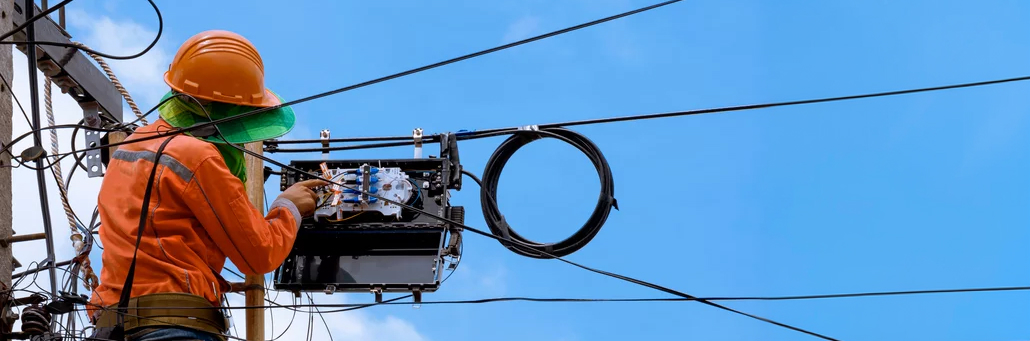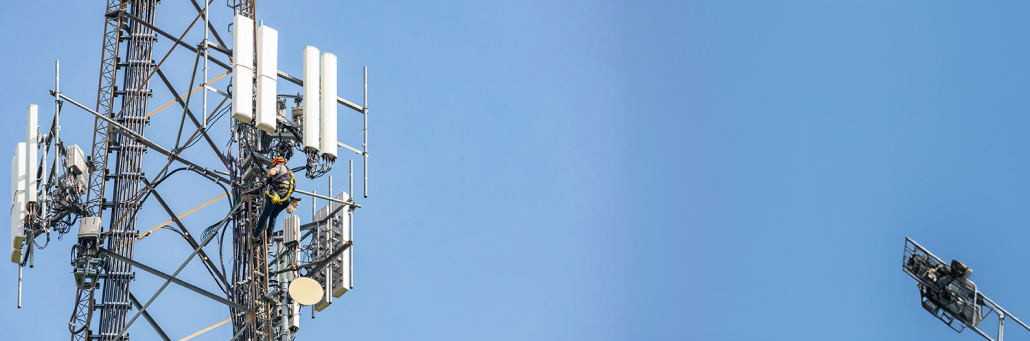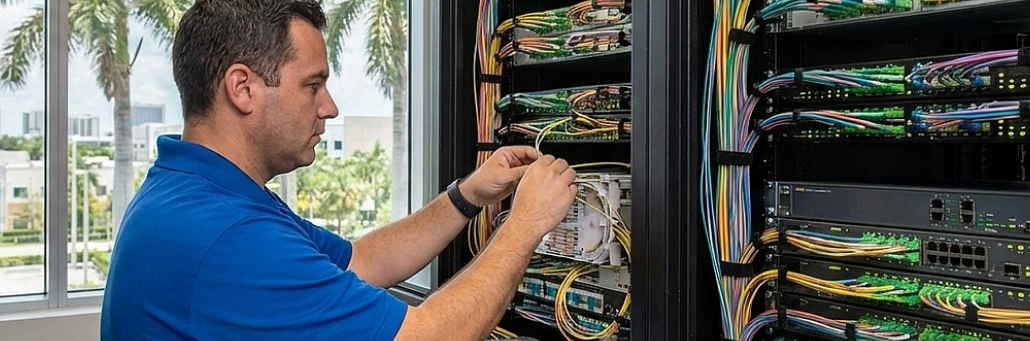
Reliable internet is one of the most important parts of modern business operations. It supports cloud apps, payments, phone systems, remote work, security tools, and customer service, so even short outages can interrupt revenue and productivity.


free speed test by Fireline Broadband

people talking to each other and looking at tablet - network reliability with Fireline Broadband

Why reliability matters

A reliable network helps businesses stay productive during normal operations and resilient during disruptions. When connectivity is unstable, employees lose access to cloud tools, customers experience delays, and critical systems can stop working.

Reliability also matters for growth. As businesses add more users, devices, and applications, they need a network that can scale without sacrificing performance or uptime.

What makes a network reliable

The strongest business networks are built with redundancy, monitoring, and traffic management in mind. That usually includes backup connections, failover routing, network segmentation, QoS, and continuous performance monitoring.

Reliability factorWhy it mattersExample
RedundancyPrevents a single point of failureBackup internet path or secondary carrier
MonitoringDetects issues earlyAlerts before downtime spreads
QoSPrioritizes critical trafficVoIP and POS traffic stay responsive
SegmentationLimits the impact of problemsGuest Wi-Fi stays separate from business systems
Security controlsProtects network availabilityFirewalls and filtering reduce malicious traffic
business owners need network reliability with Fireline Broadband

Common causes of outages

Most reliability problems come from a few predictable sources: a single ISP failure, overloaded bandwidth, weak hardware, poor internal network design, or security incidents that disrupt service.

Businesses that rely on only one connection or one piece of critical equipment are especially exposed. A single failure point can cause a slowdown, a brownout, or a full outage.

Security and reliability

Security and reliability are closely connected. If a network is exposed to malware, DDoS attacks, or unfiltered traffic, performance can drop and downtime can follow.

Good security practices improve reliability by keeping harmful traffic out and isolating problems before they spread. That usually means firewalls, encryption, audits, access controls, and regular reviews of the network design.

Recovery planning

A strong reliability plan also includes recovery steps for when something still goes wrong. Businesses should know who to call, what to check first, and how to switch traffic to a backup path if the primary service fails.

Recovery essentials:

  • Keep an updated network diagram.
  • Document primary and backup circuit details.
  • Test failover before a real outage happens.
  • Assign internal owners for network recovery.
  • Review vendor response times and escalation paths.

network reliability with Fireline Broadband

How to improve business reliability

Businesses can improve reliability by designing for growth, not just current needs. That includes choosing scalable circuits, adding failover, separating critical traffic, and testing recovery procedures before something goes wrong.

Reliability strategyWhat it doesBusiness benefit
Dual connectivityAdds a second internet pathKeeps the business online if one service fails
SD-WANRoutes traffic over the best available pathImproves uptime and performance
Power backupKeeps network gear runningPrevents short power events from taking down service
Continuous monitoringSpots issues earlyReduces surprise downtime
Proper documentationSpeeds troubleshootingMakes recovery faster and easier

Where Fireline can help

Fireline Broadband can support businesses that need dependable connectivity, backup options, and scalable bandwidth. Fireline Communications can help keep voice and collaboration tools working when reliability matters most.

Together, they can help businesses reduce downtime risk, keep critical systems available, and support a better customer experience. That is especially useful for organizations that depend on cloud applications, VoIP, remote staff, or multi-location operations.

pos system network reliability with Fireline Broadband

Keeping You Connected 24/7

Internet reliability is not just an IT concern. It affects revenue, customer experience, employee productivity, and security every day.

The most reliable businesses plan ahead, build in redundancy, and monitor their networks continuously. That approach creates fewer disruptions and a stronger foundation for growth.

Call our business team: 877-347-3147
Learn more about our Dedicated Internet Solutions

FAQs

Why is internet reliability important for businesses?

Internet reliability matters because so many business systems depend on continuous connectivity, including cloud tools, phones, payments, and customer service.

What is the biggest cause of business internet outages?

A common cause is relying on a single internet path or provider without redundancy, which creates a single point of failure.

How can a business make its internet more reliable?

A business can improve reliability by adding backup connectivity, using SD-WAN, segmenting traffic, monitoring performance, and planning for failures.

How does security affect network reliability?

Weak security can lead to malicious traffic, malware, or attacks that slow down or interrupt service, so security controls help protect uptime.

What should businesses prioritize first when improving reliability?

Businesses should first identify critical systems, remove single points of failure, and make sure they have a backup plan for connectivity and power.

How can Fireline help with reliability?

Fireline Broadband and Fireline Communications can provide dependable internet, backup support, and communication tools that help reduce downtime risk.


For decades, the “plain old telephone service” (POTS) — analog landlines run over copper wires — was the only option for business phone service. It was reliable, familiar, and everywhere.

But times have changed. The rise of high-speed internet has made Voice over Internet Protocol (VoIP) a powerful, cost-effective alternative. And now, with major carriers like AT&T and Verizon retiring their old copper networks, migrating from traditional landlines to VoIP is no longer just a “nice to have” — it is a business necessity.

This guide explains how both technologies work, compares them across key factors (cost, features, reliability, security), and helps you decide which is right for your business. Fireline Broadband offers both dedicated internet (fiber and fixed wireless) and voice solutions, but fiber availability depends on your location. Let’s compare the differences between VoIP vs traditional business phone systems.

free speed test by Fireline Broadband

business man talking on the phone conversational ai by Fireline Broadband

How Traditional Landlines (POTS) Work

Traditional telephone service — also known as Plain Old Telephone Service (POTS) — uses analog technology. Sound waves from your voice are converted into electrical signals that travel over copper wires to a public switched telephone network (PSTN) .

A typical business setup includes a Private Branch Exchange (PBX) — an on‑premises phone system that connects internal extensions and routes external calls over multiple copper lines . This technology has been around for over a century. It is reliable and works even during power outages. However, it is expensive to maintain, difficult to scale, and lacks modern features.

Carriers are actively retiring their copper networks because maintaining two parallel systems (old copper and modern fiber) is costly. This means businesses still relying on POTS lines face a deadline to migrate.

How Hosted VoIP Works

Voice over Internet Protocol (VoIP) converts your voice into digital data packets and sends them over your internet connection . Instead of relying on dedicated copper lines, VoIP uses the same network you use for email, cloud apps, and web browsing.

With hosted VoIP (also called a cloud phone system), the entire phone system lives in the provider’s data center. You access it via IP desk phones, softphone apps on laptops, or mobile apps on smartphones . The provider handles all maintenance, software updates, and security.

Because VoIP is software‑based, it unlocks advanced features that landlines cannot support: auto‑attendants, call recording, voicemail-to-email, video conferencing, and integrations with CRM tools .

business woman on phone conversational ai by Fireline Broadband

Why Migrating from POTS to VoIP Is More Urgent Than Ever

Voice over Internet Protocol (VoIP) converts your voice into digital data packets and sends them over your internet connection . Instead of relying on dedicated copper lines, VoIP uses the same network you use for email, cloud apps, and web browsing.

With hosted VoIP (also called a cloud phone system), the entire phone system lives in the provider’s data center. You access it via IP desk phones, softphone apps on laptops, or mobile apps on smartphones . The provider handles all maintenance, software updates, and security.

Because VoIP is software‑based, it unlocks advanced features that landlines cannot support: auto‑attendants, call recording, voicemail-to-email, video conferencing, and integrations with CRM tools.

Head‑to‑Head Comparison: VoIP vs. Traditional Landline

FactorHosted VoIPTraditional Landline (POTS)
TechnologyVoice converted into data packets and sent over the internetAnalog electrical signals over copper wires
HardwareIP phones, softphone apps, or Analog Telephone Adapters (ATAs)Dedicated copper lines and on‑premises PBX
Setup timeHours or days (software‑based, no truck roll typically)Weeks (requires technician to wire lines)
ScalabilityAdd or remove users instantly via web portalRequires new phone lines and hardware upgrades
FeaturesAuto‑attendant, call queues, voicemail-to-email, video conferencing, CRM integration, analytics, mobile appsBasic call holding, transfer, and voicemail
MobilityUse your business phone number anywhere with internetTied to a physical desk in one location
Disaster recoveryAutomatic failover to cell phones, redundant data centersNo failover; if the line or building loses power, service stops
Power dependencyRequires internet and electricity; fails during local outages unless you have backup power (UPS, generator)Phones draw power from the copper line; can work during local outages (unless the central office also loses power)
Best forMost businesses, especially those with remote workers, multiple locations, or advanced communication needsLegacy equipment that requires analog signals (e.g., older alarms, faxes), areas without reliable broadband
man using online digital conferencing - conversational ai by Fireline Broadband

Security: VoIP vs. Traditional

Security concerns are a common question when businesses consider VoIP. Let’s break down the realities.

Security AspectTraditional LandlineHosted VoIP
Eavesdropping riskLow — requires physical tap on the copper lineModerate — traffic traverses public internet, but can be encrypted
EncryptionNot available (analog signal)Yes — TLS for signaling, SRTP for voice packets
Vulnerability to remote attackVery low (physical infrastructure)Higher — firewalls, strong passwords, and MFA are required
Compliance readinessDifficult to audit and log callsBuilt‑in logs, call recordings, and access controls simplify HIPAA, PCI, and FINRA compliance
Service provider securityRelies on carrier’s physical securityDepends on provider’s cybersecurity practices, data center certifications (SOC2, ISO 27001)

How Fireline Broadband Secures VoIP

Fireline Broadband takes a layered approach to VoIP security:

  1. Encryption in transit: All call signaling uses TLS, and voice streams use SRTP (Secure Real‑time Transport Protocol).
  2. Network segmentation: VoIP traffic travels on a separate VLAN (virtual LAN) or dedicated connection, isolated from guest Wi‑Fi and general office data.
  3. Firewall and intrusion prevention: We help customers configure firewalls to allow only approved VoIP traffic and block malicious requests.
  4. Multi‑factor authentication (MFA): Required for administrative access to the VoIP portal.
  5. Redundant, secure data centers: Our voice infrastructure resides in professionally managed, physically secure facilities.

Key takeaway: A well‑configured VoIP system can be as secure as — or more secure than — a legacy landline, especially when you consider the audit trails and encryption that analog lines simply cannot provide.

The Bottom Line: Which Should You Choose – VoIP vs. Traditional?

Choose Traditional Landline if …Choose Hosted VoIP if …
You have legacy equipment (alarm, fax, elevator phone) that requires an analog signal and cannot be adapted. A simple Analog Telephone Adapter (ATA) can often solve this for VoIP.You want lower monthly costs and predictable, per‑user pricing.
Your location has no reliable broadband internet, and you cannot get dedicated fiber or fixed wireless.Your business needs mobility — employees work from home, on the road, or across multiple offices.
You are comfortable with rising costs and the eventual forced migration that will happen when your carrier retires copper in your area.You need advanced features: auto‑attendant, call queues, voicemail-to-email, video conferencing, CRM integration.
You want to future‑proof your communications and take advantage of unified communications (UCaaS) tools.

For the vast majority of businesses, VoIP is the right choice — and migrating now, on your own terms, is better than waiting for a carrier to force the issue.

Make the Switch on Your Terms

Traditional landlines served businesses well for over a century, but the world has moved on. Carrier copper retirements, rising costs, and the need for flexible, feature‑rich communications mean that migrating to VoIP is not a question of “if” but “when.”

Fireline Broadband provides both the dedicated internet (fiber or fixed wireless) and the hosted VoIP solutions your business needs to make the transition seamless. We handle project management, number porting, and provide ongoing local support.

Don’t wait until your landline is forced into retirement. Contact Fireline Broadband today for a free VoIP assessment and quote. With Fireline Communications, we work to build your business to be ready for the future.

Call our business team: 877-347-3147
Learn more about our Dedicated Voice Solutions

Frequently Asked Questions (FAQ)

Is VoIP call quality as good as a landline?

Yes — often better. Modern business VoIP uses wideband audio codecs that deliver high‑definition (HD) voice, which is clearer than standard analog calls. However, call quality depends on having sufficient, stable internet bandwidth (at least 100 Kbps per concurrent call) and proper Quality of Service (QoS) settings on your network.

What happens if my internet goes down? Can I still use VoIP?

With standard VoIP, if your office loses internet (or power), desk phones stop working. However, most reputable VoIP providers offer automatic call forwarding to cell phones or alternate numbers. Some businesses add a secondary internet connection (like Fireline’s fixed wireless) as failover. A small uninterruptible power supply (UPS) can keep your router and modem running for hours.

Is VoIP secure against eavesdropping or hacking?

Yes, when properly configured. Enterprise VoIP systems use encryption (TLS and SRTP) to protect call signaling and voice packets. However, security is a shared responsibility: you must use strong passwords, keep firmware updated, and configure firewalls correctly. Reputable VoIP providers also undergo third‑party security audits (SOC2, ISO 27001).

Can I keep my existing business phone numbers when switching to VoIP?

Yes. Number porting is standard. Your new VoIP provider will coordinate with your current carrier to transfer your numbers. The process typically takes 1–3 weeks, and there is no interruption in service.

Do I need to buy all new phones for VoIP?

Not necessarily. Many businesses choose IP phones (desk phones that look and feel like traditional phones but plug into your network).

However, you can also use:
Softphones – software apps on computers or smartphones
Analog Telephone Adapters (ATAs) – small devices that convert analog phones to VoIP

This means you can keep existing analog phones if you prefer, especially for common areas or conference rooms.

Can VoIP work with my existing alarm system or fax machine?

Yes, but with caveats. Many modern alarm systems and fax machines work fine with an ATA. However, older equipment that expects a true analog line (complete with line voltage) may have issues. For critical life‑safety devices (elevator phones, fire alarms), consult with your alarm provider before migrating.

What internet speed do I need for VoIP?

As a rule of thumb, allocate 100 Kbps per concurrent call (up and down). For a small office with 5 people on calls simultaneously, you need ~0.5 Mbps of dedicated upload bandwidth. The bigger risk is latency, jitter, and packet loss, not raw speed. A stable, low‑latency connection (fiber or dedicated fixed wireless) is ideal.

How long does it take to switch from landlines to VoIP?

The software setup can be done in hours. Number porting takes 1–3 weeks. Most businesses schedule a transition window, keep their landlines active during porting, and then disconnect the old service afterward. Fireline Broadband provides project management to make the migration seamless.

Is hosted VoIP more expensive than a traditional landline?

No — it is almost always less expensive. Upfront costs are minimal (existing computers or inexpensive IP phones). Monthly per‑user fees are lower than POTS line rental, and features that cost extra on landlines (long distance, voicemail, auto‑attendant) are typically included.

Can I use VoIP for a multi‑location business?

Absolutely. VoIP is ideal for multiple offices, remote workers, and traveling employees. Everyone can use the same extension numbers, transfer calls easily, and appear on the same auto‑attendant — regardless of physical location.

Not all business internet is created equal. When fiber isn’t available at your location—or when you need connectivity faster than a construction crew can trench—fixed wireless offers a powerful, dedicated alternative.

Fireline Broadband delivers both technologies. We help businesses how to choose and match the right connection to their location, timeline, and performance needs.

This guide explains how fiber and fixed wireless work, compares their speed, reliability, deployment, and security, and helps you decide which one fits your business.

free speed test by Fireline Broadband

man pressing button - Fireline Broadband

How Each Technology Works

What Is Fiber Optic Internet?

Fiber optic internet transmits data as pulses of light through thin glass or plastic strands inside a protective cable. Because light travels incredibly fast and encounters little resistance, fiber can deliver symmetrical speeds (upload equals download) up to 10 Gbps or higher .

Fiber is immune to electrical interference, weather, and signal degradation over distance. However, it requires physical cable runs—often underground—which means installation takes longer and depends on fiber already being near your building.

What Is Fixed Wireless Access (FWA)?

Fixed wireless delivers internet via radio signals transmitted from a local tower to a receiver mounted on your roof or exterior wall . It does not use cellular networks or satellites. Instead, it relies on a dedicated point-to-point or point-to-multipoint connection on licensed or unlicensed spectrum.

Because there is no trenching or cable pulling, fixed wireless can be deployed in days instead of months. It provides a dedicated, business-grade connection with low latency and high reliability—provided you have a clear line of sight to the tower.

Fiber vs. Fixed Wireless: Key Differences at a Glance

FeatureFiber OpticFixed Wireless (FWA)
Speed (symmetrical)Up to 10 Gbps+Up to 10 Gbps (plans vary)
Upload performanceExcellent (matches download)Very good (dedicated, not shared)
Latency<5 ms (ultra-low)15–30 ms (low for wireless)
ReliabilityImmune to weather and interferenceDependent on line of sight; minimal weather impact with licensed spectrum
Installation timeIf not readily available: Weeks to months (trenching/permits)Days (roof mount + alignment)
AvailabilityLimited to areas with existing fiberMuch wider; based on tower line of sight
Best forData‑intensive, latency‑sensitive opsBackup, rural, temporary, or rapid deployment

Single-mode (long-haul, laser) vs. multi-mode (short-range, LED) serve different needs.

worker working with fiber internet - Fireline Broadband

Detailed Comparison: How to Chooose for Your Business Needs?

Speed and Performance

Fiber offers the highest symmetrical speeds available, often 1 Gbps to 10 Gbps or more . This makes it ideal for cloud computing, large file transfers, video editing, and any operation where upload speed matters as much as download.

Fixed wireless, when delivered as a dedicated business service, provides very respectable symmetrical speeds (typically 100 Mbps to 10 Gbps). For most business applications—VoIP, video conferencing, point-of-sale, daily cloud syncs—these speeds are more than sufficient.

Winner: Fiber for raw speed. Fixed wireless for plenty of speed where fiber isn’t available.

Reliability and Environmental Factors

Fiber is immune to weather, radio interference, and signal obstruction because it runs underground. Once installed, it is exceptionally stable .

Fixed wireless depends on a clear line of sight (LoS) between your receiver and the provider’s tower . Trees, new construction, or heavy rain can potentially affect signal quality. However, providers using licensed spectrum experience far fewer interruptions, and redundant backhauls can maintain connectivity even if one path degrades.

Winner: Fiber for reliability. Fixed wireless is highly reliable with proper engineering and licensed spectrum

Deployment and Availability

Availability is the single biggest differentiator. Fiber is only an option if it already runs near your building. Even then, installation requires trenching, permits, and construction—often 4–8 weeks or more .

Fixed wireless can be deployed in days . If you have a clear line of sight to a tower, a technician can mount a receiver on your roof, align it, and activate service within a week—sometimes within 48 hours for urgent needs.

Winner: Fixed wireless for speed of deployment and wider availability.

Security

Security is critical for any business connection. Both technologies can be secure, but they achieve it differently.

  • Fiber: Because the signal travels within a physical cable, it is extremely difficult to tap without physical access. This inherent containment makes fiber the gold standard for sensitive data transmission .
  • Fixed Wireless: Modern fixed wireless uses encryption (AES-256), spectrum licensing, and authentication protocols to secure the radio link. Signals are not broadcast indiscriminately; they are aimed directional beams. For an attacker to intercept the signal, they would need to be physically between your receiver and the tower with specialized equipment—making it far more difficult than the risks often assumed .

Fireline’s approach: We secure both technologies with enterprise-grade encryption, monitoring, and access controls. The right choice depends on your specific compliance requirements (e.g., HIPAA, PCI, CJIS).

Cost and Long-Term Value

Cost FactorFiberFixed Wireless
InstallationHigher (trenching, permits, labor)Lower (roof mount + alignment)
Monthly feeCompetitive for dedicated serviceCompetitive for dedicated service
Total cost of ownershipLower per Mbps over long termLower upfront, excellent value where fiber unavailable

Winner: Fixed wireless for lower upfront cost. Fiber for long‑term capacity needs.

fixed wireless tower - Fireline Broadband

How to Choose Fiber

Fiber is the right choice if:

  1. Fiber is already available at your building (Fireline can check this for you).
  2. You require symmetrical speeds above 1 Gbps (media production, research, high-frequency trading).
  3. You need ultra-low latency (under 10 ms) for real-time applications.
  4. You are willing to wait for installation and pay higher upfront costs for maximum performance.

Examples: Corporate headquarters, data centers, hospitals, media studios, financial firms.

How to Choose Fixed Wireless

Fixed wireless is the right choice if:

  1. Fiber is not available at your location (or the construction timeline is unacceptable).
  2. You need internet within days, not months.
  3. You want a dedicated, business-grade connection without shared neighborhood congestion.
  4. You need a rapid backup connection for failover.
  5. Your bandwidth requirements fit within 100 Mbps to 1 Gbps (most businesses do).

Examples: Rural businesses, construction sites, backup for fiber customers, retail locations needing fast deployment, temporary event internet.

The Fireline Advantage: Your Choice, Not a Compromise

Many providers sell only one technology. Fireline delivers both—and we are honest about which one fits your situation.

  • If fiber is available at your address: We will quote you fiber.
  • If fiber is not available: We will deploy dedicated fixed wireless, often within days.
  • If you need redundancy: We will install both.

Same SLAs. Same local support. Same commitment to keeping your business online.

fiber - Fireline Broadband

Ready to Choose the Right Connection for Your Business?

Not sure which technology serves your building? Contact Fireline Broadband for a free, no-obligation address check and consultation.

We will check your location, discuss your bandwidth needs and timeline, and recommend the best solution — fiber, fixed wireless, or both.

Call our business team:877-347-3147
Learn more about our Dedicated Internet Solutions

FAQs

Is fixed wireless internet good for business?

Yes. Dedicated fixed wireless (not shared residential 5G) offers symmetrical speeds, low latency, and SLA-backed reliability. It is an excellent primary connection when fiber is unavailable, and a perfect backup for fiber customers.

What is the difference between fixed wireless and fiber optic?

Fiber uses light through glass cables; fixed wireless uses radio signals through the air. Fiber offers higher maximum speeds, while fixed wireless offers faster deployment and wider availability.

Is fiber internet more secure than fixed wireless?

Fiber is inherently difficult to tap due to its physical nature. Fixed wireless, when properly encrypted and using licensed spectrum, is also highly secure. For most businesses, both meet enterprise security requirements.

Does fixed wireless work in bad weather?

Most fixed wireless installations take 1–5 days from site survey to activation. Fireline can often deploy within 48 hours for urgent needs.

How long does fiber installation take?

New fiber installation typically takes 4–8 weeks or more, depending on permitting, trenching, and existing infrastructure availability.

Can I have both fiber and fixed wireless for redundancy?

Absolutely. This is a best practice for businesses that cannot tolerate downtime. Use fiber as your primary connection and fixed wireless as an automatic failover—if fiber goes down, traffic instantly shifts to wireless without interrupting your operations.

Which is better for video conferencing and VoIP?

Both technologies perform well. Fiber offers the lowest latency. Fixed wireless, with typical latency of 15–30 ms, works perfectly for Teams, Zoom, and VoIP calls.

Moving business internet is not just a scheduling task. It affects phone systems, payment processing, remote work, cloud access, security tools, and day-to-day productivity. The best moves start early, with a clear plan for service availability, installation timing, backup connectivity, and post-move testing.

free speed test by Fireline Broadband

mover moving boxes while lady looks over - Moving Internet with Fireline Broadband

Why internet planning matters

A business move can quickly turn into downtime if internet service is not ready when employees arrive. Providers often need advance notice, and some fiber installations or construction work can take much longer than expected.

Planning ahead helps avoid delays, protects customer service, and gives your team time to test everything before go-live. It also creates space to review whether your new location needs faster speeds, more upload capacity, or backup service.

Backup internet options

Backup internet helps your business stay connected if the primary circuit is delayed, cut over late, or experiences problems during the move. The best option depends on how much bandwidth you need and how long you can tolerate reduced performance. Make sure moving is as smooth as possible

Backup optionBest forWhy it helps
5G or LTE backupSmall offices and temporary movesQuick to deploy and useful for basic business continuity
Fixed wirelessBusinesses that need stronger performance during relocationProvides reliable wireless connectivity while permanent service is pending
Secondary wired lineLarger offices with high uptime needsAdds redundancy through a separate provider or connection type
Temporary internet serviceShort-term office openings or phased relocationsKeeps employees productive while waiting for permanent install
movers moving boxes - Moving Internet with Fireline Broadband

Business internet moving checklist

StepWhat to doWhy it matters
1. Confirm availabilityCheck service options at the new addressEnsures the provider can support your needs
2. Schedule earlyBook install dates well before move-inPrevents service gaps and missed deadlines
3. Review bandwidthCompare current usage to future needsHelps support more users, apps, and devices
4. Plan backup accessSet up secondary internet or hotspot failoverReduces risk if primary service is delayed
5. Test all systemsVerify phones, printers, VPN, and payment toolsConfirms the office is fully operational

Top 5 mistakes to avoid

One of the biggest mistakes is assuming the new office will be ready without a real internet install plan. That often leads to missed appointments, surprise construction delays, or a first day with no usable connection.

Other common mistakes include choosing a plan that is too small for the new office, forgetting to confirm phone and internet compatibility, and failing to test security or remote access after the move. These problems are easier to fix before moving in than after employees are already waiting to work.

1. Waiting too long to order service.

Many businesses assume internet can be installed quickly, but new service often takes longer than expected, especially if construction or fiber work is involved.

2. Not checking provider availability at the new address.

A plan that works in your current office may not be available at the new location, so availability should be confirmed early in the process.

3. Assuming phones and internet will transfer seamlessly.

Internet, VoIP, and call routing do not always move over automatically, and businesses often discover problems only after they arrive at the new office.

4. Skipping backup internet.

If your primary service is delayed or has a problem on moving day, a backup option such as fixed wireless, LTE, or temporary internet can keep the office working.

5. Not testing everything before the move is complete.

Businesses should verify Wi-Fi, VPN access, phones, printers, payment systems, and cloud apps before declaring the office ready.

empty new office - Moving Internet with Fireline Broadband

How to avoid downtime while moving

The safest approach is to treat internet as a critical path item, not an afterthought. Make sure service is live and tested before your team arrives, and confirm any static IP needs, phone migrations, or VoIP changes in advance.

It also helps to coordinate with IT, your provider, and any cabling contractor so the modem, firewall, switches, access points, and phone systems all come online in the right order. A staged rollout makes troubleshooting much easier.

Security during a move

A relocation can create security risks if devices are unplugged, mislabeled, or connected to the wrong network. Sensitive systems like firewalls, phone servers, and Wi-Fi gear should be tracked carefully and reinstalled with the same security settings at the new site.

Security priorities for moving:

  • Protect equipment during transport.
  • Update passwords and access controls after installation.
  • Reconfirm VPN, firewall, and remote-access settings.
  • Test guest Wi-Fi and employee Wi-Fi separately.
  • Make sure backup internet is secure before using it.

Where Fireline can help

Fireline Broadband can support business internet planning with reliable service options, including primary connectivity and backup pathways that reduce the risk of downtime during a move. Fireline Communications can help keep phone systems and staff communications working while teams transition to the new location.

That combination makes it easier to keep the business online, even while the office is in motion. It also gives companies a cleaner path for testing, failover, and post-move support.

Helping You Move Smoothly

Moving business internet successfully comes down to timing, testing, backup planning, and avoiding the most common setup mistakes. The earlier you confirm service at the new location, the more likely you are to avoid interruptions and keep employees productive.

A strong relocation plan protects both operations and security. It also helps your team settle into the new space with fewer surprises and less downtime.

Call our business team: 877-347-3147
Learn more about our Dedicated Internet Solutions

FAQs

How far in advance should I move my business internet?

You should start the process as early as possible, because providers may need several weeks or more to schedule installation and activation.

Should I move my existing service or order new internet at the new office?

That depends on availability, bandwidth needs, and whether the new location can support your current setup, but many businesses review both options before deciding.

What should I test after the internet is installed?

You should test internet speed, Wi-Fi coverage, VPN access, phones, printers, and any cloud tools or payment systems your business depends on.

Can I use backup internet during the move?

Yes, backup internet can help your team stay connected if the primary circuit is delayed or not yet active.

What is the biggest mistake businesses make when moving internet?

The biggest mistake is waiting too long to schedule service, which can leave the office without connectivity on moving day.

How can Fireline help with a business move?

Fireline Broadband and Fireline Communications can provide reliable connectivity and communication support to help keep your business online during the relocation process.

Telehealth has expanded access to care, especially for remote patient monitoring (RPM) and chronic disease management. IoT devices like wearables, sensors, and telemedicine carts make this possible by collecting and transmitting vital signs in real time.

free speed test by Fireline Broadband

doctor demonstrating to patient pain points on bear via telehealth - telehealth internet - Fireline Broadband

How IoT powers telehealth

IoT connects medical devices to healthcare providers, enabling continuous monitoring without in-person visits. Patients use wearables for heart rate, blood pressure, glucose levels, and activity tracking. Data flows to cloud platforms for analysis and alerts.

This supports proactive care, reducing hospital readmissions and empowering patients to manage conditions at home. The IoT healthcare market is growing rapidly as adoption of technology increases.

Key IoT use cases

Use caseHow Internet HelpsBenefits
Remote Patient MonitoringWearables, blood pressure cuffs, glucometersEarly detection, fewer ER visits
Telemedicine CartsCameras, vitals monitors with cellular modulesVirtual consults in clinics/rural areas
Chronic Disease ManagementContinuous glucose monitors, pulse oximetersPersonalized treatment adjustments
Medication AdherenceSmart pill dispensersImproved compliance, better outcomes
Fall DetectionMotion sensors for elderlyRapid response, reduced injury risk
patient doing telehealth call with doctor on laptop - telehealth internet - Fireline Broadband

Security in telehealth IoT

Patient data privacy is critical in healthcare. IoT devices face risks like unauthorized access, data interception, and ransomware. HIPAA compliance requires encryption, authentication, and audit logs.

Telehealth IoT security risks and solutions:

RiskDescriptionSolution
Data interceptionUnencrypted transmission of vitalsEnd-to-end encryption (TLS 1.3)
Device spoofingFake devices send malicious dataCertificate-based authentication
RansomwareLocks monitoring systemsNetwork segmentation, regular patching
Weak credentialsDefault passwords on devicesMulti-factor, zero-trust access
Supply chain compromiseVulnerable vendor firmwareSigned updates, vendor audits

Secure connectivity ensures data integrity while meeting regulations.

Connectivity challenge

Healthcare IoT needs reliable, low-latency connectivity across urban, rural, and mobile settings. Single-network failures can interrupt monitoring, so multi-network eSIMs and failover are essential.

Power efficiency, global coverage, and scalability support widespread deployment.

doctor on phone with laptop in hand - telehealth internet - Fireline Broadband

Internet solutions

Telehealth benefits from cellular IoT modules (LTE-M, NB-IoT, 5G), eSIM for multi-network switching, and edge processing for low latency.

SolutionBest forWhy it helps
Fixed WirelessClinics, rural health hubsReliable broadband with quick failover, high upload for data/video
LTE-M/NB-IoT ModulesWearables, sensorsLow power, long battery life

How Fireline helps telehealth

Fireline Broadband provides reliable broadband for platforms and clinics, including fixed wireless for rural sites. Fireline Communications supports secure VoIP and video for virtual visits. These ensure IoT data flows uninterrupted and teams stay connected.

Empower the future of telehealth with reliable and blazing fast connections to keep your health network connected any time, all the time.

doctor conducting telehealth call with patient over laptop - telehealth internet - Fireline Broadband

Fueling the Reach of Telehealth

IoT in health shifts care from reactive to preventive, improving outcomes and access. Strong connectivity and security make it scalable and trustworthy. Give the care your patients need no matter where they are.

Investing in the right network today positions tomorrow’s AI and IoT advances.

Call our business team: 877-347-3147
Learn more about our Dedicated Internet Solutions

FAQs

What is IoT in telehealth?

IoT in telehealth uses connected devices like wearables and sensors to monitor patients remotely and transmit data to providers for real-time care.

How does IoT improve remote patient monitoring?

IoT enables continuous tracking of vitals, early alerts for issues, and personalized care plans without frequent clinic visits.

What are common IoT devices used in telehealth?

Wearables for heart rate and activity, glucometers, blood pressure monitors, pulse oximeters, and telemedicine carts with cameras.

What connectivity challenges exist in telehealth IoT?

Reliability in rural areas, low power for wearables, latency for video, and multi-network coverage for mobile patients.

How is security handled in telehealth IoT?

Through encryption, device authentication, HIPAA-compliant platforms, network segmentation, and regular security updates.

Can Fireline support telehealth operations?

Yes, Fireline Broadband and Fireline Communications provide reliable connectivity for IoT data, video calls, and secure platforms.

Fiber optic internet uses thin glass strands to transmit data as pulses of light, delivering unmatched speed, reliability, and low latency compared to copper-based DSL or cable. This technology powers streaming, gaming, cloud computing, and enterprise networks. Fireline Broadband provides dedicated fiber connectivity with direct LA peering for seamless performance.

free speed test by Fireline Broadband

man working on Fiber Optic cable - Fireline Broadband

How Fiber Optic Internet Works: Step-by-Step

Fiber internet replaces electrical signals with light, traveling at nearly the speed of light through optical cables. Here’s the 6-step process:

  1. Data Encoding: Digital content (videos, emails, web pages) converts to binary code (0s and 1s).
  2. Laser Modulation: A laser or LED at the provider’s central office turns on/off to create light pulses matching the binary code.
  3. Transmission: Pulses travel through the fiber’s core (ultra-pure glass ~125 microns wide); cladding reflects light inward via total internal reflection.
  4. Long-Distance Travel: Optical amplifiers boost signals every 40-80km without converting to electricity.
  5. ONT Conversion: At your location, an Optical Network Terminal (ONT) converts light back to electrical signals.
  6. Home/Business Delivery: Ethernet/Wi-Fi router distributes internet to devices.

Key Fact: Light signals suffer zero electromagnetic interference, enabling 99.99% uptime over 100+ km.

Anatomy of Fiber Optic Cables

Fiber cables contain:

ComponentFunctionMaterial
CoreCarries light signalsSilica glass/plastic
CladdingReflects light inwardGlass (lower refractive index)
Buffer CoatingProtects from moisture/damagePolymer
Strength MembersTensile supportKevlar/aramid yarn
Outer JacketEnvironmental shieldPVC/PE

Single-mode (long-haul, laser) vs. multi-mode (short-range, LED) serve different needs.

Fiber Optic cable - Fireline Broadband

Types of Fiber Optic Networks

  • FTTH (Fiber to the Home): Direct to residence; true gigabit symmetrical speeds.
  • FTTB/FTTP (Fiber to the Building/Premise): Fiber to MDU/office, Ethernet last-100m.
  • Metro Fiber: City/regional rings connecting data centers (Fireline specialty).
  • Long-Haul: Inter-city backbone with DWDM for terabits capacity.

Fireline offers FTTB with custom last-mile builds for businesses.

Fiber vs. Cable/DSL/5G: Comprehensive Comparison

MetricFiber OpticCableDSL5G Fixed Wireless
Max Speed100Gbps symmetrical1-2Gbps down/50Mbps up100Mbps1Gbps
Latency<10ms20-40ms40-80ms15-30ms
Distance Limit100km+1-2km5kmLine-of-sight
UploadMatches download5-10% of down10-20% of downVariable
Reliability99.99% (no EMI)Weather-affectedLine noiseSignal interference

Winner: Fiber for 4K streaming, cloud backups, and enterprise apps.

The Sustainability of Fiber Optic Internet

Fiber optic networks are significantly more eco-friendly than copper alternatives, making them the green choice for modern connectivity. Fireline Broadband prioritizes sustainable deployment practices, including aerial fiber where possible and energy-efficient data center operations with renewable power offsets.

BenefitWhy Fiber is Sustainable
Lower Energy ConsumptionFiber uses 80% less electricity than copper networks because light signals require no electrical boosting over distance. A single fiber strand carries the same data as 100+ copper pairs.
Longer LifespanFiber cables last 25-30 years vs. 15-20 for copper, reducing replacement frequency and raw material extraction.
Reduced MaterialsGlass fibers weigh 20% less than copper, lowering transportation emissions. Recycling rates exceed 90% for fiber infrastructure.
Smaller FootprintOne fiber conduit replaces hundreds of copper cables, minimizing digging and land disruption during deployment.
Carbon SavingsStudies show fiber networks cut CO2 emissions by 50-70% over their lifecycle compared to DSL/cable.
Fiber Optic cable - Fireline Broadband

Why Fiber Internet Benefits Businesses

Fiber transforms connectivity:

  • Massive Bandwidth: 100+ 4K streams or terabyte cloud backups simultaneously.
  • Low Latency Gaming/VR: Sub-10ms ping for competitive esports.
  • Reliable Remote Work: Zoom calls + file sync without buffering.
  • Future-Proof: Supports redundant backhaul, AI edge computing.
  • Scalable Enterprise: Burst to 100Gbps during peak demand.
  • Eco-Friendly: Sustainable alternative to copper networks.

Stats: Businesses with fiber report 40% productivity gains.

man working on Fiber Optic cable - Fireline Broadband

Security of Fiber Internet

Fiber internet is one of the most secure connectivity options because it transmits data as light pulses through glass strands instead of electrical signals through copper. That makes it much harder to tap or interfere with compared with traditional cable or DSL lines.

Fiber is also less vulnerable to electromagnetic interference, which helps keep connections stable and reduces the risk of signal degradation. In practical terms, that means better reliability for businesses and data-heavy applications.

For added protection, fiber networks are often paired with:

  • Encryption for sensitive data.
  • Firewalls and network monitoring.
  • Access controls at network endpoints.
  • Redundant routing and backup systems.

Fireline Broadband’s Fiber Optic Solutions

Fireline Broadband delivers Southern California metro fiber from its Tier II+ data centers in Los Angeles and Orange County:

  • Symmetrical 1-100Gbps with burst capacity for peak demands.
  • <10ms latency to LA peering (One Wilshire, Equinix LA1-5, CoreSite).
  • 99.99% uptime via redundant A/B power, N+1 cooling, battery/generator backup.
  • Managed security: DDoS scrubbing, firewalls, zero-trust networking.
  • Colocation: Rack space from $200/mo; direct fiber cross-connects.
  • Custom last-mile: Ethernet transport to SoCal businesses.
  • Sustainable deployment: Aerial fiber routes and energy-efficient ONTs.
Fiber Optic cable - Fireline Broadband

Choose the Right Fiber Path Forward

Fiber optic internet delivers unmatched speed, reliability, and sustainability—making it the clear choice for future-proof connectivity. Fireline Broadband brings metro-grade fiber to Southern California businesses with eco-conscious deployment and enterprise-grade support.

Call our business team:877-347-3147
Learn more about our Dedicated Internet Solutions

FAQs About Fiber

How fast is fiber optic internet?

Up to 100Gbps symmetrical—100x faster than average cable.

Is fiber internet more reliable than cable?

Yes—immune to lightning/EMI; consistent speeds regardless of neighbors’ usage.

What’s the difference between fiber and DSL/cable?

Fiber uses light (speed of light); others use electricity (slower, distance-limited).

Can fiber internet handle multiple 4K streams?

Easily—1Gbps supports 100+ simultaneous 4K Netflix streams.

Does Fireline serve businesses outside LA?

Yes—extends to Orange County, Inland Empire, Las Vegas via fixed wireless.

What makes Fireline’s fiber sustainable?

80% less energy than copper, 25+ year lifespan, minimal materials and digging.

How does fiber handle peak hour congestion?

Dedicated circuits—your 10Gbps stays 10Gbps regardless of neighborhood usage.

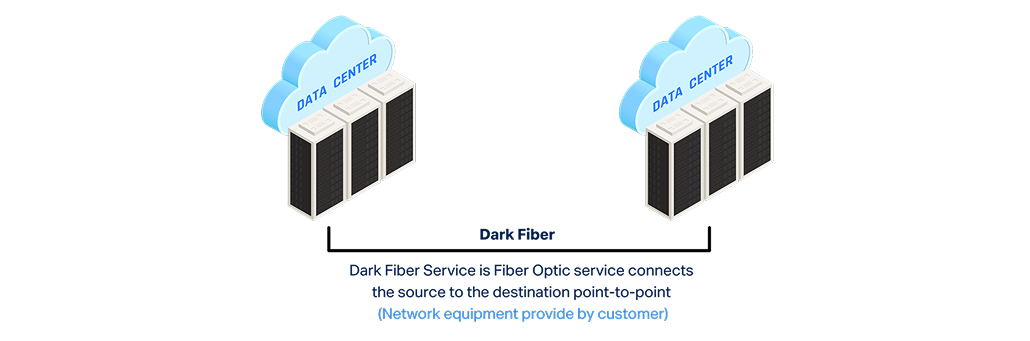
Dark fiber—also called unlit fiber or black fiber—is unused optical fiber cable laid by telecom providers but not activated with electronics. Think of it as raw fiber infrastructure you lease and “light up” yourself with your own equipment.

Unlike lit fiber (managed service with active transceivers), dark fiber gives you complete control over capacity, protocols, and performance. Telecoms built excess capacity in the 90s expecting demand—much remains unused today.

free speed test by Fireline Broadband

dark fiber - Fireline Broadband

How Dark Fiber Works

  1. Lease the strand: Provider owns fiber, you lease a pair (one transmit, one receive).
  2. Add your gear: Install transceivers, muxes, switches at each end.
  3. Control everything: Set speeds (10Gbps to 400Gbps+), wavelengths, latency.
  4. No middleman: Direct point-to-point or ring connections.

Key difference: Lit fiber = turnkey service. Dark fiber = raw pipe + your engineering.

Dark Fiber vs Lit Fiber

FeatureDark FiberLit Fiber
ControlFull (speed, protocol, latency)Provider-managed
BandwidthVirtually unlimitedTiered plans
CostHigh upfront, low recurringPredictable monthly
LatencyLowest possibleSlightly higher (provider overhead)
ScalabilityUpgrade hardware anytimeWait for provider
MaintenanceYour responsibilityProvider handles
Setup TimeWeeks (equipment install)Days
dark fiber - Fireline Broadband

Top Use Cases

1. Data Centers & Hyperscalers

  • Direct interconnects between campuses
  • 400Gbps+ private links
  • Zero-trust security (no shared infrastructure)

Example: Equinix to AWS Direct Connect over dark fiber.

2. Financial Services

  • Ultra-low latency for High-Frequency Trading (HFT) trading
  • Private networks between trading floors
  • Disaster recovery replication

3. Healthcare & Research

  • Picture Archiving and Communication System (PACS) imaging transfers (TB-scale files)
  • Genomics sequencing pipelines
  • Hospital-to-lab connectivity

4. Enterprise WAN

  • Connect multiple campuses without MPLS
  • Metro dark fiber rings for redundancy
  • Video production studios

5. Broadcasting & Media

  • 4K/8K live production feeds
  • Stadium-to-ob truck links
  • Post-production render farms
dark fiber - Fireline Broadband

Pros of Dark Fiber

✔ Unlimited Capacity: Light multiple wavelengths (DWDM) for 100Tbps+ potential
✔ Lowest Latency: Direct path, no provider hops
✔ Future-Proof: Upgrade transceivers without digging
✔ Security: Private network, no ISP visibility
✔ Cost Savings Long-Term: No bandwidth premiums

Cons of Dark Fiber

X High Upfront Costs: $100K-$1M+ for metro runs + equipment
X Expertise Required: Need fiber optic engineers
X Maintenance Burden: Your team troubleshoots cuts, failures
X Limited Availability: Mostly metro areas, not rural
X Not typical SLA: Provider fixes cable, you fix electronics

Cost Breakdown (Example: 10km Metro Link)

Dark Fiber Lease: $5K-$15K/month

+Transceivers (100G pair): $50K one-time

+Mux/Demux: $20K

+ Install/Testing: $30K


Total Year 1: ~$150K
Year 2+: $60K lease only

Lit Fiber Equivalent: $20K/month fixed (no Capital Expenditure (CapEx))

When Dark Fiber Makes Sense

GO DARK FIBER IF:STICK WITH LIT FIBER IF:
10Gbps sustained demand<10Gbps needs
Latency <1ms criticalNo CapEx budget
3-5+ year horizonLimited technical staff
In-house network engineersQuick deployment needed
Metro/regional footprintRural/long-haul routes
dark fiber for hospital institutions - Fireline Broadband

Real-World Example: Hospital Imaging Network

Problem: 3 hospitals transferring 50TB/day PACS images. Latency kills radiologist productivity.

Solution: 100km dark fiber ring with DWDM.

  • Cost: $2.5M setup, $120K/month lease
  • Result: 100Gbps links, <500μs latency
  • ROI: 18 months (faster diagnoses = more patients)

How Fireline Helps with Dark Fiber

Fireline Broadband specializes in dark fiber leasing and activation:

  • Metro dark fiber inventory across CA
  • Turnkey lighting: We install transceivers + test
  • Hybrid solutions: Dark + lit failover
  • Healthcare/Hospitality expertise
dark fiber for stocks and financial markets - Fireline Broadband

Choose the Right Fiber Path Forward

Fireline Broadband network engineers help healthcare organizations evaluate dark fiber vs lit services against your clinical infrastructure needs—EHR performance, imaging transfers, telehealth reliability, and multi-campus redundancy.

We assess:

  • Dark vs lit for your specific workloads (PACS TB transfers? HFT latency?)
  • Provider credentials and route diversity
  • Cost-optimized multi-site connectivity (direct hospital-to-lab links)
  • Hybrid strategies combining dark fiber with failover circuits

Call our business team:877-347-3147
Learn more about our Dedicated Internet Solutions

Make infrastructure decisions with confidence, not guesswork.

Dark fiber is for bandwidth-hungry enterprises that value control over convenience. Perfect for data centers, trading, imaging—but overkill for most SMBs.

FAQs About Dark Fiber

Is dark fiber faster than lit fiber?

Yes—dark fiber has lower latency because it’s a direct point-to-point connection with no provider equipment or routing hops. Every piece of provider gear adds 10-100 microseconds. For HFT trading or PACS imaging where milliseconds matter, dark fiber wins. Regular business? Difference is negligible.

Do I need to dig trenches?

No—dark fiber uses existing buried/aerial fiber built during telecom expansions (90s dot-com boom). You lease strands that are already in place. Only new construction needs digging. Metro areas have abundant dark fiber inventory.

What’s the minimum speed?

Technically unlimited, but 10Gbps is practical minimum. Most transceivers start at 10/25/100Gbps. You can light multiple wavelengths (DWDM) on one strand for 400Gbps-100Tbps total capacity. SMBs rarely need more than 1Gbps.

How secure is dark fiber?

Most secure option—it’s a private fiber strand no one else touches. No ISP can see your traffic, inject malware, or log data. Perfect for HIPAA healthcare, financial trading, government. Only physical cable cuts are threats (rare with redundant routes).

Can small businesses use dark fiber?

Rarely—high upfront costs ($50K-$500K+ for equipment/installation) and need for fiber optic engineers make it impractical for most SMBs. Better for enterprises needing 100Gbps+ or microsecond latency. SMBs should stick with dedicated internet or lit fiber.

Dark fiber vs dedicated internet?

Dark fiber = raw fiber strand you “light” with your own transceivers (private links, full control). Dedicated internet = active internet service from provider (turnkey, general business use). Dark for hospital-to-lab imaging; dedicated for clinic EHR/telehealth.

Stadiums are evolving fast. From immersive fan experiences to operational efficiency, connectivity is the backbone. Modern venues must compete with the living room—huge TVs, instant replays, and second screens—while delivering unique in-person energy. This guide covers core technologies powering stadiums, with real-world examples and practical steps for owners and operators.

free speed test by Fireline Broadband

stadium technology by Fireline Broadband

Why Stadiums Need Advanced Connectivity

Stadiums serve fans, teams, broadcasters, sponsors, and operators. Fixed networks, wireless, IoT, AI, and edge computing create seamless experiences:

  • Fans expect no dead zones, Augmented Reality (AR) overlays, and in-seat ordering.
  • Teams need biometrics and performance analytics.
  • Broadcasters demand multi-camera 4K feeds.
  • Operators want crowd control and revenue optimization.

Investments like SoFi Stadium ($5.5B) show the scale—1,200 km of cabling at Tottenham Hotspur alone.

Core Technologies

Fixed Communications & Power

Backbone for everything. High-density cabling supports:

  • Wi-Fi Access Points and wireless access points.
  • UHD camera feeds.
  • Video walls and speakers.
  • USB charging at seats.

Example: Tottenham’s 1,640 under-seat Wi-Fi hotspots and 4,500 speakers.

Wireless: Wi-Fi + Fixed Wireless

  • Wi-Fi 6/7: Fan connectivity, analytics, eCommerce.
  • Neutral Host DAS: Shared for MNOs (AT&T, Verizon, etc.).
  • Fixed Wireless: Reliable outdoor coverage, rapid deployment for temporary events.

Example: Crypto.com Arena’s DAS covers 2.5M sq ft with 331 antennas, 30Gbps fiber backbone.

AI/ML & Edge Computing

  • AI: Fan personalization, overcrowding detection.
  • Edge: Low-latency video processing, AR overlays.
  • Cloud: On-demand for analytics, apps.
concerts and stadium technology by Fireline Broadband

Monetization Opportunities

Advanced connectivity unlocks new revenue streams:

Revenue SourceTechnologyExample
In-seat eCommerceWi-Fi + AppsFood/merch delivery ($20-50/order)
Personalized AdsAI + Location DataDynamic sponsorships
Premium AR/VRWi-Fi + Fixed Wireless$15/game pass for replays
eSports EventsEdge + CloudOff-season gaming tournaments
Data InsightsBig AnalyticsSell anonymized fan data

ROI Example: Wi-Fi portals generate ad revenue while enabling frictionless payments.

Implementation Challenges & Solutions

ChallengeImpactSolution
High Costs$50-100/seatNeutral host DAS sharing
Capacity SpikesHeadliner congestionWi-Fi 6 + Fixed Wireless
Legacy InfrastructurePoor coverageFiber backbone upgrade
MNO CoordinationSlow deploymentSingle point of contact
stadium technology by Fireline Broadband

How Fireline Broadband Helps Stadiums

Fireline Broadband delivers stadium-grade connectivity that powers the technologies above:

  • Symmetrical 10Gbps+ fiber backhaul for DAS, cameras, edge computing
  • Rapid deployment (hours, not months) for events and renovations
  • Event-grade SLAs with 99.999% uptime guarantees
  • Scalable capacity from 1Gbps to 100Gbps+
  • Redundant paths for zero-downtime operations

Real stadium wins:

  • Multi-gigabit circuits for 4K video walls and drone camera feeds
  • Bonded cellular failover during peak crowd surges

Why Fireline? Stadium operators save 30-50% vs. MNO direct deals through neutral infrastructure. Stadiums like Crypto.com Arena use similar models—Fireline provides the fiber foundation.

Key Applications

ApplicationTechnologyBenefit
Smart WayfindingWi-Fi + Digital SignageReal-time navigation
Second ScreensWi-Fi + Augmented RealityPersonalized replays, stats
Drone/UHD CamsFiber + EdgeMulti-angle 4K streams
Holograms/AR/VRWi-Fi + AIImmersive overlays
eCommerceWi-Fi PortalIn-seat delivery, betting
Crowd SafetyIoT + MLOvercrowding alerts

Examples:

  • SoFi’s 70K sq ft Infinity Screen.
  • Verizon’s AR games in NFL stadiums.
boxing stadium technology by Fireline Broadband

Why Connectivity Matters During Recovery

Internet and network resilience matter just as much as endpoint security during a ransomware event. If critical systems rely on a single connection or a fragile network design, recovery can be slower and more difficult. Redundant internet access, failover planning, and stable connectivity help keep communication available during an incident.

For healthcare organizations, strong connectivity also supports remote coordination, cloud-based recovery tools, and patient communication during downtime. If a primary path fails, a backup connection can help keep recovery teams working.

How Healthcare Leaders Should Think About Resilience

Healthcare leaders should treat ransomware preparedness as an operational requirement, not just a security project. The goal is to reduce the chance of an incident, but also to make sure the organization can continue delivering care if one happens.

That means aligning IT, clinical operations, compliance, and executive leadership around a shared plan. It also means making investments before a crisis, not after. The organizations that recover best are usually the ones that planned for failure in advance.

stadium technology by Fireline Broadband

Ready to future-proof your stadium internet system?

The stadiums of tomorrow aren’t just venues—they’re connected entertainment ecosystems generating revenue, safety, and unforgettable experiences. Start with a strong fiber backbone, neutral host DAS, and Wi-Fi 6, then layer on AI, IoT, and fixed wireless for scale.

Fireline Broadband makes it simple: stadium-grade 10Gbps+ fiber/fixed wireless, rapid deployment, and event SLAs that keep fans connected and operators profitable.

Call our business team:877-347-3147
Learn more about our Dedicated Internet Solutions

Stadium operators: The future is connected. Build it now.

FAQs About Stadium Internet

What’s the difference between Wi-Fi and fixed wireless in stadiums?

Wi-Fi handles lots of fans streaming and ordering food at once. Fixed wireless uses radio signals for reliable outdoor coverage where wiring is tough.

Why do stadiums need so much cabling?

All the video screens, speakers, Wi-Fi hotspots, and network gear need a strong “data highway” underneath. Tottenham Stadium used 1,200 km of cable!

How does a stadium make money from connectivity?

Fans buy food/merch from their seats, watch personalized replays for $15, play AR games, and see targeted ads. Wi-Fi portals show ads too.

What’s a neutral host DAS?

Instead of AT&T, Verizon, and others each building separate networks (expensive!), stadiums build one shared system all carriers use.

Do fans get free Wi-Fi?

Yes! Connect to stadium Wi-Fi for maps, ordering, and replays. Some premium features (AR, stats) might cost extra.

How does Fireline help stadiums?

Fireline delivers the super-fast fiber internet backbone + fixed wireless that powers Wi-Fi, cameras, and connected systems. They set it up fast.

Can old stadiums upgrade to future tech?

Yes! Start with better Wi-Fi + fiber backbone, then add fixed wireless and smart sensors later. Fireline handles the heavy lifting.

Ransomware has become one of the most disruptive cyber threats facing healthcare organizations. Hospitals, clinics, imaging centers, and health systems are especially attractive targets because they depend on always-available systems to support patient care, scheduling, billing, and clinical workflows. When attackers encrypt records or disrupt access to critical applications, the impact can quickly move beyond IT and into patient safety.

Healthcare is a prime target because these organizations manage sensitive data, operate under time pressure, and often cannot afford downtime. That makes preparation essential. The best defense is not just stronger security tools, but a layered plan that protects systems, limits damage, and speeds up recovery.

free speed test by Fireline Broadband

Tired medical professional - Fireline Broadband

Signs of a Potential Ransomware Attack

Early recognition can make a big difference. Healthcare IT teams should watch for these common indicators:

Potential SignWhat It Looks Like
Files suddenly renamed with strange extensionsExamples: .locked, .encrypted, or random strings, etc.
Unusual pop-up messagesDemands for payment or warning about encryption
Slow system performanceIncluding applications that freeze unexpectedly
Disabled antivirus or security toolsTools won’t start or update
Unfamiliar processes running in backgroundMay be running in Task Manager or increased network traffic
Limited user access to regular files or drivesUsers unable to access shared drives, EHR systems, or mapped network locations
Suspicious login attemptsIncluding accounts accessing systems they shouldn’t
Ransom notesCan appear on desktops or in email inboxes

Immediate action: Isolate affected systems from the network, preserve evidence, and notify leadership. Do not pay the ransom or attempt to decrypt files without guidance.

horizantal shot of all the medical equipment including all the internet based ones. - Fireline Broadband

Why Healthcare Is a High-Value Target

Healthcare organizations hold patient records, insurance data, payment details, and operational information that can be valuable to cybercriminals. They also tend to have complex environments with legacy systems, connected medical devices, and multiple locations that make security more difficult to manage.

Attackers know that downtime is expensive in healthcare. A hospital may be more likely to pay a ransom if critical systems are unavailable and patient care is at risk. That reality makes healthcare one of the most frequently targeted sectors for ransomware.

person pushing Medical button -- Fireline Broadband

What a Ransomware Attack Can Disrupt

A ransomware event can affect nearly every part of a healthcare organization:

Common Disruptions:

DisruptionWhat It Looks Like
Electronic health recordsMakes it difficult for clinicians to access patient information
Scheduling systemsDisrupt appointments and patient flow
Imaging and diagnostic platformsDelay results and treatment decisions
Billing and claims systemsImpact revenue cycle operations
Telehealth platformsInterrupting remote care access
Communication toolsMakes it harder for teams to coordinate during a crisis

In healthcare, even a short outage can create a long operational ripple effect.

The Most Effective Preparations

The strongest ransomware defenses combine prevention, resilience, and recovery. Healthcare organizations should focus on the following areas:

1. Build a strong backup strategy

Backups should be frequent, tested, and isolated from the main network. If attackers can reach backups, they can encrypt those too. Healthcare teams should keep offline or immutable copies of critical data and verify restoration procedures regularly.

2. Segment critical systems

Not every system should be on the same network path. Segmenting EHR platforms, imaging systems, administrative tools, and guest networks helps contain the spread of an attack. If one area is compromised, segmentation can reduce the blast radius.

3. Strengthen access controls

Multi-factor authentication, least-privilege access, and strong password policies reduce the chance that stolen credentials will give attackers broad access. Remote access paths should be tightly controlled, especially for vendors and support teams.

4. Train staff continuously

Phishing remains one of the most common entry points for ransomware. Staff at every level should be trained to recognize suspicious messages, unexpected attachments, and fake login pages. In healthcare, training should include both clinical and administrative employees.

5. Keep systems updated

Unpatched software and outdated operating systems create easy openings. Healthcare organizations should maintain a structured patching process for servers, endpoints, medical devices, and third-party applications wherever possible.

6. Prepare an incident response plan

A ransomware response plan should define who does what when an attack happens. That includes IT, legal, communications, leadership, compliance, clinical operations, and third-party vendors. The faster the organization can isolate the threat and begin recovery, the lower the impact.

7. Test recovery under pressure

A plan on paper is not enough. Healthcare organizations should run tabletop exercises and recovery drills to see how teams perform under stress. These tests often reveal gaps in communication, escalation, and restoration timing.

Medical Personnel talking to patient about results using tablet - Fireline Broadband

Why Connectivity Matters During Recovery

Internet and network resilience matter just as much as endpoint security during a ransomware event. If critical systems rely on a single connection or a fragile network design, recovery can be slower and more difficult. Redundant internet access, failover planning, and stable connectivity help keep communication available during an incident.

For healthcare organizations, strong connectivity also supports remote coordination, cloud-based recovery tools, and patient communication during downtime. If a primary path fails, a backup connection can help keep recovery teams working.

How Healthcare Leaders Should Think About Resilience

Healthcare leaders should treat ransomware preparedness as an operational requirement, not just a security project. The goal is to reduce the chance of an incident, but also to make sure the organization can continue delivering care if one happens.

That means aligning IT, clinical operations, compliance, and executive leadership around a shared plan. It also means making investments before a crisis, not after. The organizations that recover best are usually the ones that planned for failure in advance.

cybersecurity ransomware banner - Fireline Broadband

Ready to future-proof your healthcare internet system?

Ransomware preparedness in healthcare is about more than cybersecurity tools. It requires backups, segmentation, training, access controls, response planning, resilient connectivity, and the ability to recognize attacks early. Organizations that prepare in advance are better positioned to protect patient care, reduce downtime, and recover with less disruption.

Contact Fireline Broadband for a healthcare internet site assessment. We’ll map your healthcare internet challenges and design a connected network that scales with your healthcare campus.

Call our business team:877-347-3147
Learn more about our Dedicated Internet Solutions

FAQs About Healthcare Internet

Why is healthcare a target for ransomware?

Healthcare is a target because it holds valuable data, depends on uptime, and may be under pressure to restore systems quickly when patient care is affected.

What systems are most likely to be affected?

Electronic Health Records (EHR), scheduling, imaging, billing, telehealth, and communication systems are often impacted first because they are essential to daily operations.

What is the most important first step in ransomware preparation?

A tested, isolated backup strategy is one of the most important first steps because it gives the organization a path to recovery.

Should healthcare organizations use network segmentation?

Yes. Segmentation helps contain threats and reduces the chance that a single breach will spread across the entire environment.

How can staff help prevent ransomware?

Employees can help by recognizing phishing attempts, reporting suspicious activity quickly, and following security policies consistently.

Why does connectivity matter in ransomware recovery?

Stable, redundant connectivity helps teams communicate, access recovery tools, and keep operations moving during an incident.

What should healthcare teams do if they suspect ransomware?

Isolate affected systems immediately, preserve evidence, notify leadership and legal teams, and follow the incident response plan. Do not pay ransom or attempt decryption.

Healthcare organizations depend on internet service for far more than general office use. Connectivity now supports EHR access, imaging transfers, telehealth, remote clinicians, patient portals, backup systems, and multi-campus coordination. When the network slows down or fails, the impact can reach patient care, operational efficiency, and compliance risk.

For hospitals, clinics, and health systems, internet is no longer a utility purchase. It is part of clinical infrastructure. That is why healthcare teams need providers that can deliver dedicated bandwidth, high availability, redundancy, and responsive support.

free speed test by Fireline Broadband

Healthcare Internet 101 by Fireline Broadband

Why Healthcare Internet Needs a Different Standard

Most business internet products are designed for general office productivity. Healthcare internet environments need more. Clinical teams rely on systems that must stay available, perform consistently, and support large data transfers without interruption.

A delayed connection can slow chart access, affect imaging delivery, or interrupt telehealth visits. Across a multi-campus network, those issues become harder to manage because a problem at one location can affect many teams at once. That is why healthcare organizations often look for internet service with stronger service guarantees and clearer accountability.

What Healthcare Workloads Depend on Connectivity

Several core healthcare workflows rely on stable internet service every day:

  • EHR and EMR systems need reliable access so clinicians can view records, update charts, and coordinate care.
  • Imaging platforms require high-bandwidth connections for large file transfers and fast access to diagnostic images.
  • Telehealth visits depend on stable upload and download speeds for clear video and audio.
  • Remote and hybrid clinicians need secure, dependable access from offsite locations.
  • Multi-campus operations need consistent connectivity so teams can share data and communicate across locations.
  • Patient portals and digital intake systems need uptime so patients can schedule visits, fill out forms, and access records.

When these systems lag or disconnect, staff productivity drops and patient experience suffers.

Healthcare Internet 101 by Fireline Broadband

What to Look for in a Provider

Healthcare internet buyers should evaluate providers based on performance, reliability, and support, not just price. The most important criteria usually include:

Common demands include:

Important Internet Provider RequirementsWhat It Looks Like
Guaranteed symmetrical bandwidthUpload and download performance are balanced
High availability and uptime commitmentsCritical for for clinical operations
Redundant routing and failover optionsReduce outage risk
Low latency and stable performanceRequired for for telehealth and imaging
24/7 monitoring and supportClear escalation paths
Experience serving healthcare environmentsThis includes hospitals, clinics, and imaging centers
ScalabilityBandwidth can grow as the organization expands

A provider that can deliver those capabilities is more useful to healthcare teams than a generic connection built for light office traffic.

Dedicated Internet vs Shared Broadband

Dedicated healthcare internet access is often the better fit when uptime and performance matter. Unlike shared broadband, dedicated service gives the organization reserved capacity and more predictable service levels. That can make a major difference for hospitals, imaging centers, and larger healthcare networks.

Shared broadband may still work for smaller or less critical sites, but it often comes with more variability. If the location supports telehealth, cloud applications, or centralized clinical systems, dedicated service usually offers a stronger long-term fit.

Compare & Contrast

FeatureDedicated Internet AccessShared Broadband
BandwidthReserved for one customerShared among multiple users
PerformanceMore consistent and predictableCan vary based on local congestion
Upload speedsUsually symmetricalOften slower upload than download
ReliabilityHigher, with stronger SLAsLower, with fewer guarantees
Uptime supportTypically includes better service commitmentsUsually more limited support terms
Best forHospitals, clinics, imaging, telehealth, multi-site networksSmall offices, lower-demand locations
LatencyLower and more stableCan fluctuate during busy times
ScalabilityEasier to design for critical workloadsLess ideal for growth-heavy or mission-critical use
Failover optionsOften easier to pair with redundancy plansMay be limited or less robust
CostHigherLower

Dedicated internet is the better fit for healthcare organizations that need consistent performance, uptime, and support for clinical systems. Shared broadband can work for lower-demand sites, but it is usually not the right choice for environments where connectivity directly affects patient care.

Healthcare Internet 101 by Fireline Broadband

Why Redundancy Matters

Healthcare organizations cannot afford to depend on a single point of failure. Redundant internet connections help keep critical systems available if one circuit goes down. That matters for EHR access, patient communication, imaging workflows, and internal coordination.

Redundancy also makes it easier to support zero-downtime goals across a multi-campus network. In healthcare, continuity is not a convenience — it is an operational requirement for healthcare internet.


How Healthcare Internet Supports Telehealth and Remote Care

Telehealth depends on clear, stable connectivity. Patients expect smooth video, clinicians need secure access to systems, and support teams need to maintain reliable session quality. Poor internet can cause dropped calls, poor audio, or delays that make virtual care harder to deliver.

For remote clinicians and hybrid teams, dependable connectivity also supports secure access to patient records and internal applications. That is especially important when healthcare organizations need to balance flexibility with patient privacy and performance.

Healthcare Internet 101 by Fireline Broadband

Questions to Ask Before You Buy

Before selecting a provider, healthcare IT and operations leaders should ask:

  1. What uptime SLA is guaranteed?
  2. Is bandwidth symmetrical?
  3. What failover options are available?
  4. Are there diverse fiber routes?
  5. How quickly can a circuit be installed?
  6. What support is available after hours?
  7. Has the provider worked with healthcare organizations before?
  8. Can the service scale across multiple locations?

These healthcare internet questions help separate providers that can truly support healthcare from those offering generic connectivity.

Healthcare Internet 101 by Fireline Broadband

Ready to future-proof your healthcare internet system?

For healthcare organizations, internet service should be treated as part of clinical infrastructure. The right provider helps protect uptime, improve performance, and reduce operational risk across the network. That makes it easier for care teams to do their jobs and for IT leaders to support the organization with confidence.

Contact Fireline Broadband for a healthcare internet site assessment. We’ll map your healthcare internet challenges and design a connected network that scales with your healthcare campus.

Call our business team:877-347-3147
Learn more about our Dedicated Internet Solutions

FAQs About Healthcare Internet

What type of internet is best for hospitals?

Dedicated internet access is usually the best option for hospitals because it provides more reliable performance, reserved bandwidth, and stronger service guarantees than shared broadband.

Do healthcare organizations need symmetrical bandwidth?

Yes. Symmetrical bandwidth is important because healthcare teams often upload as much as they download, especially for imaging, backups, telehealth, and cloud-based workflows.

Why is redundancy important for healthcare internet?

Redundancy helps keep critical systems online if a circuit fails. That protects EHR access, imaging workflows, patient communication, and internal coordination.

Is regular business internet enough for clinics?

It may be enough for low-demand locations, but clinics that rely on telehealth, cloud systems, or shared applications usually benefit from dedicated service and stronger support.

What should healthcare IT leaders ask providers before buying?

They should ask about uptime, bandwidth symmetry, redundancy, failover, support response times, installation timelines, and healthcare experience.

Can healthcare facilities get dedicated internet without long-term contracts?

In some markets, yes. Availability depends on the provider and location, so it is worth asking early in the evaluation process.

How does internet affect telehealth?

Telehealth relies on stable, low-latency connectivity for clear video, audio, and secure access to patient systems. Unstable internet can interrupt visits and reduce quality of care.

What internet setup works best for imaging and EHR systems?

Healthcare organizations usually need dedicated bandwidth, high availability, and strong redundancy to support large files and consistent clinical access.

How do multi-campus healthcare networks benefit from better connectivity?

They gain more consistent performance, lower downtime risk, and easier coordination across sites, which helps support both patient care and operational efficiency.