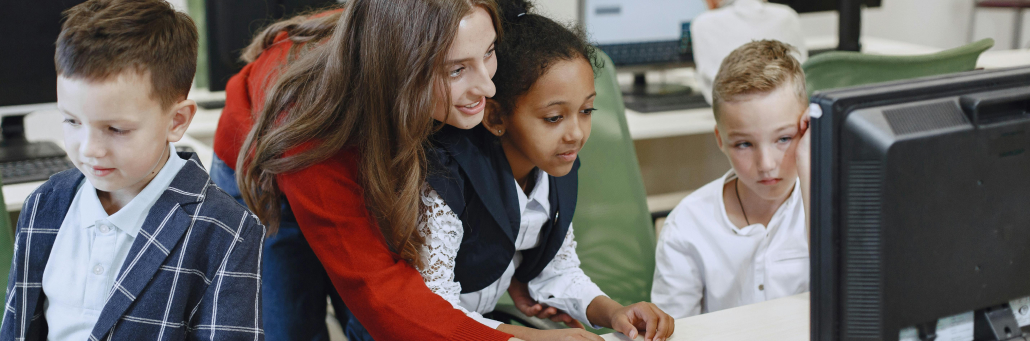
Reliable broadband is the lifeline of modern college campuses, supporting thousands of devices for lectures, research, dorm life, and admin operations. Poor connectivity disrupts classes, stalls innovation, and frustrates students—80% report better grades with strong Wi-Fi. Fireline Broadband delivers enterprise fiber to power higher education in Southern California.

students walking down steps of college campus - Fireline Broadband

Why College Campuses Need Robust Internet Connectivity

Universities handle high-density Wi-Fi demands in lecture halls, labs, libraries, and student housing. With IoT devices, 5G smartphones, and cloud edtech surging, reliable internet ensures academic excellence and operational efficiency. Inadequate networks lead to complaints, failed experiments, and lost productivity.

Key Challenges for University Campus Networks

Higher ed IT faces unique hurdles:

  • High-density congestion: 500+ students streaming in large halls or dorms.
  • Diverse usage: Research data transfers, 4K video lectures, VR simulations.
  • Legacy infrastructure: Outdated cabling can’t support Wi-Fi 6E/7.
  • Cyber risks: Ransomware targets student data and grants.
  • Remote/hybrid needs: Seamless access across campuses and online.

These strain budgets and divert focus from education.

students in classroom learning and having laptop open - Fireline Broadband

Benefits of High-Speed Reliable Internet on Campus

Enterprise-grade broadband unlocks:

  • Academic success: 75-80% of students link strong Wi-Fi to better grades and easier studying.
  • Research acceleration: High-throughput for big data, AI modeling, simulations.
  • Engaged learning: Interactive tools, AR/VR labs, live global collaborations.
  • Student satisfaction: Reliable dorm Wi-Fi boosts retention and recruitment.
  • Admin efficiency: Cloud ERP, secure portals, automated facilities management.

Campuses with optimized networks see 50% fewer complaints.

Wi-Fi 6E/7 Upgrade Guide for Universities

Modernize campus Wi-Fi:

  • Audit coverage: Use tools to map dead zones in halls/housing.
  • Deploy Wi-Fi 6E APs: 6GHz band for speed, low latency in dense areas.
  • Smart antennas: BeamFlex/ChannelFly for dynamic optimization.
  • AI management: Auto-RRM for interference mitigation.
  • Fiber backhaul: Essential for 10Gbps+ campus feeds.
  • Failover: Private Fixed Wireless for resilience.

Target 1Gbps+ per 1,000 users.

two college students on campus lawn looking at laptop - Fireline Broadband

How Fireline Broadband Powers College Campuses

Fireline Broadband’s symmetrical fiber scales to 100Gbps with <10ms latency, 99.99% uptime, and 24/7 support—tailored for higher ed:

  • High-density ready: Burst capacity for lecture peaks and research bursts.
  • Security suite: DDoS protection, firewalls, zero-trust for FERPA compliance.
  • Data center colocation: LA facility at 5900 Wilshire for HPC/cloud hybrid.
  • Direct peering: Fiber to Equinix, One Wilshire for global research nets.
  • Custom installs: Last-mile to dorms, labs, stadiums.

Universities gain Stanford-like optimization without the hassle.

FeatureTraditional ISPFireline Broadband for K-12
SpeedsAsymmetric, up to 1GbpsSymmetrical 10-100Gbps
Density HandlingBasicWi-Fi 6E/7 optimized backhaul
Latency20-50ms<10ms for VR/research
SecurityMinimalEnterprise DDoS + segmentation
Uptime99.9%99.99% redundant
ScalabilityFixed plansDynamic bursting

Case Studies: Wi-Fi Success in Higher Ed

  • Stanford: Wi-Fi analysis cut complaints 50% via upgrades.
  • American University: Tiered access reduced congestion.
  • Oral Roberts: Wi-Fi 6E campuswide for future-proof density.

Fireline Broadband enables similar wins for Southern California colleges.

students in classroom using laptops - Fireline Broadband

Internet Security for College Campuses

Universities manage sensitive FERPA-protected data, research IP, and grant funding—making them prime ransomware targets (500+ attacks in 2025). Compliance with FERPA, GLBA, and NIST 800-171 demands layered defenses.

Essential cybersecurity measures include:

  • Zero-trust architecture: MFA, micro-segmentation for labs/dorms.
  • Next-gen firewalls (NGFW): Deep packet inspection, DDoS mitigation.
  • Endpoint detection/response (EDR): Protects BYOD student devices.
  • Web/application filtering: Blocks phishing, malware on campus networks.
  • SIEM monitoring: 24/7 threat hunting with automated alerts.
  • Data encryption: AES-256 for research datasets and student records.
  • Regular audits: Vulnerability scans, penetration testing.

Fireline Broadband bundles enterprise firewalls, DDoS scrubbing, and zero-trust with fiber—ensuring FERPA compliance without performance hits.
college students in library looking at laptops - Fireline Broadband

Internet Empowering the Next Generation of Scholars

Reliable internet defines elite college experiences—from dorm streaming to breakthrough research. Fireline Broadband provides the fiber foundation for innovative, connected campuses.

Call our business team:877-347-3147
Learn more about our Dedicated Internet Solutions for Schools

FAQs About Internet for School Districts

Why is reliable Wi-Fi essential for college campuses?

It supports high-density teaching, research, student housing, and edtech—80% of students say it improves grades and campus life.

What speeds do universities need?

Disrupted lectures, slow research downloads, dorm frustration—leading to lower retention and satisfaction.

What cybersecurity compliance do colleges need?

FERPA, GLBA, NIST 800-171—Fireline’s zero-trust + NGFW ensure protection.

What is Wi-Fi 6E and why upgrade?

6GHz extension of Wi-Fi 6 for faster speeds, lower latency in dense areas like halls/dorms. Future-proofs for 5G/IoT.

How does Fireline support campus colocation?

Tier II+ LA data center with redundant power, direct peering to research nets, and scalable racks for HPC/AI.

What are top cybersecurity threats to universities?

Ransomware, phishing, DDoS, BYOD vulnerabilities—Fireline mitigates with SIEM + EDR.

Can Fireline help rural colleges?

Yes—last-mile extensions and wireless hybrids connect remote sites securely.

How to optimize Wi-Fi in lecture halls?

MIMO APs, AI-RRM, channel selection, and fiber backhaul prevent overload.

Benefits for student housing?

Reliable gigabit Wi-Fi for studying, streaming, gaming—boosts recruitment/retention.

Is Fireline suitable for research computing?

Absolutely—100Gbps low-latency fiber for big data transfers and global collaborations.

Reliable high-speed internet powers modern K-12 education, enabling 1:1 device programs, online learning platforms, and digital equity. Without it, students face the “homework gap,” districts lose instructional time, and edtech tools underperform. Fireline Broadband provides dedicated fiber to bridge these gaps for Southern California school districts.


teacher high fiving students in elementary school - Fireline Broadband

The Growing Demand for Student Internet Access

Today’s K-12 students need consistent connectivity at school and home for research, assignments, virtual classes, and self-directed learning. One-third of U.S. districts—serving 23.5 million students—still lack adequate high-speed access, widening achievement gaps.

Post-pandemic, tools like Google Classroom, Zoom, Canvas LMS, and AI tutors demand gigabit speeds to prevent disruptions during peak usage.

Key Challenges Facing School District Connectivity

K-12 networks struggle with:

  • Peak-hour congestion: Hundreds of devices streaming video or testing simultaneously.
  • Rural/urban divides: Spotty service hampers homework and remote learning.
  • Wi-Fi weaknesses: Overloaded access points cause lag in classrooms.
  • Cyber threats: DDoS attacks and data breaches risk student privacy.
  • Scalability: Growing enrollment and edtech outpace legacy infrastructure.

These issues interrupt teaching, frustrate students, and complicate security compliance.

teacher in classroom of students - Fireline Broadband

Benefits of Reliable High-Speed Internet for K-12

Robust broadband transforms education:

  • Closes homework gap: Home hotspots and school Wi-Fi ensure 24/7 access.
  • Boosts engagement: Buffer-free AR/VR, live collaboration, and interactive apps.
  • Supports equity: Low-income students gain tools for success and well-being.
  • Enables data insights: Real-time analytics for personalized instruction.
  • Prepares for future: Builds digital literacy for AI, coding, and remote careers.

School districts with universal connectivity see 20-30% improvements in attendance and test scores.

Wi-Fi Upgrade Guide for School Districts

To optimize campus networks:

  • Assess needs: Map device counts, peak usage, and edtech requirements.
  • Deploy MIMO access points: Boost signals with multi-antenna tech.
  • Add Wi-Fi boosters: Repeaters extend coverage in dead zones.
  • Monitor performance: Tools track bandwidth, latency, and anomalies.
  • Plan failover: Fixed wireless backups prevent outages.

Pair with fiber backbone for classroom-ready Wi-Fi.

teacher helping student with an assignment using the computer - Fireline Broadband

How Fireline Broadband Empowers K-12 School Districts

Fireline Broadband’s symmetrical fiber internet scales to 100Gbps with 99.99% uptime, low latency, and 24/7 NOC support—perfect for education:

  • Managed security: DDoS mitigation, firewalls protect student data.
  • Custom last-mile: Direct fiber to campuses, even rural sites.
  • Colocation integration: LA data center for hybrid learning and storage.
  • Burst capacity: Handles 10,000+ devices without slowdowns.

LAUSD-area school districts using Fireline enable AI tutors, virtual field trips, and seamless 1:1 programs.

FeatureTraditional ISPFireline Broadband for K-12
SpeedsAsymmetric, up to 1GbpsSymmetrical 1-100Gbps
Uptime99.9%99.99% redundant
Latency20-50ms<10ms for Zoom/edtech
SecurityBasicEnterprise DDoS + firewalls
SupportBusiness hours24/7 technical specialists

Real-World K-12 Success with Reliable Internet

California districts via CalREN and K12HSN save 80% on traffic costs while gaining DDoS protection. Fireline extends this with LA peering to One Wilshire and Equinix, ensuring urban-grade access for Southern CA schools.

students in a computer lap working on school assignments - Fireline Broadband

Internet Security for K-12 Education

Protecting student data is a legal and ethical must under CIPA, COPPA, and FERPA. K-12 networks are prime cyber targets due to sensitive records—ransomware hit 300+ districts in 2025 alone.

Essential best practices include:

  • Firewalls and segmentation: Block threats and isolate admin/student networks.
  • Access controls: Principle of Least Privilege (PoLP); MFA for all users.
  • Web filtering: Block inappropriate sites per CIPA; monitor for phishing.
  • Training: Security awareness for students, staff, parents.
  • Encryption and monitoring: TLS/AES-256; real-time alerts for anomalies.

Fireline Broadband integrates DDoS protection, firewalls, and zero-trust to safeguard edtech without slowing speeds.

elementary students working on classwork in the classroom - Fireline Broadband

Internet to Educate Future Generations

Reliable internet is non-negotiable for K-12 equity and innovation. Fireline Broadband equips districts with fiber, security, and support to future-proof education.

Call our business team:877-347-3147
Learn more about our Dedicated Internet Solutions for Schools

FAQs About Internet for School Districts

Why do K-12 students need reliable internet both at school and home?

Students rely on it for homework, online research, virtual tutoring, and self-paced learning apps. The “homework gap” affects 15 million U.S. kids without home broadband, leading to lower grades and higher dropout risks.

What internet speeds are recommended for school districts?

Aim for 1Gbps symmetrical per 1,000 students (FCC guideline), scaling to 10-100Gbps district-wide. This supports 1:1 Chromebooks, 4K streaming, and simultaneous testing without lag.

How does unreliable internet impact student performance?

It causes frustration, missed assignments, disrupted classes, and widened equity gaps. Studies link poor connectivity to 10-20% drops in test scores and engagement.

Why is symmetrical upload/download speed important for schools?

Symmetrical speeds (e.g., 1Gbps up/down) enable smooth video calls, file uploads, cloud backups, and live collaboration—critical for Zoom, Google Meet, and edtech platforms.

What are top cybersecurity practices for K-12?

Firewalls, network segmentation, MFA/PoLP, web filtering (CIPA), staff training, encryption, and real-time monitoring.

What edtech tools require high-speed reliable internet?

Google Workspace, Canvas/Schoology LMS, Zoom/Teams, Nearpod, Kahoot, Lexia, DreamBox, VR field trips (e.g., Google Expeditions), and AI platforms like Khanmigo.

How does Fireline Broadband support Wi-Fi upgrades in schools?

Fireline provides fiber backbone to feed campus switches/APs, ensuring backhaul capacity. Their low-latency (<10ms) connections prevent Wi-Fi bottlenecks during peak hours.

Can rural schools get Fireline Broadband service?

Yes—Fireline offers custom last-mile fiber extensions and fixed wireless for remote campuses.

How does reliable internet improve teacher efficiency?

Teachers access real-time grading, lesson planning, parent portals, and professional development without delays. It also enables data dashboards for targeted interventions.

What role does internet play in school safety and operations?

IP cameras, access controls, bell systems, HVAC monitoring, and emergency alerts all depend on stable connectivity. Fireline’s redundancy ensures they function during outages.